Home / Articles
Autologous Serum Eye Drops: Advanced Treatment for Dry Eye Relief
Home / Articles
Autologous Serum Eye Drops: Advanced Treatment for Dry Eye Relief
Dry eye syndrome is a widespread condition that impacts millions globally, often causing discomfort and disrupting daily activities. It arises when the eyes fail to produce adequate tears or when the quality of the tears is compromised. This results in symptoms such as dryness, irritation, blurred vision, and, in severe cases, damage to the ocular surface.
With increased screen time and environmental factors like pollution, dry eye disease has become more prevalent. According to the American Academy of Ophthalmology, over 16 million people in the U.S. have been diagnosed with dry eye disease, and many others remain undiagnosed. Certain groups, including the elderly, contact lens wearers, and individuals with autoimmune conditions, are particularly vulnerable.
For many, symptoms like a gritty sensation, burning, and light sensitivity significantly impact daily activities. The search for a reliable, long-lasting solution is now a priority in the field of ophthalmology.
Artificial tears are the go-to treatment for dry eye disease, providing temporary relief from symptoms. However, they fail to address the underlying causes of the condition, such as inflammation and tissue damage. Over-the-counter eye drops lack the vital biological components, such as growth factors and vitamins, needed to support long-term healing.
Furthermore, artificial tears often need to be applied frequently—sometimes every hour—and may contain preservatives that can further irritate sensitive eyes with prolonged use. These drops primarily serve as a lubricant, offering only short-term relief without promoting healing or reducing inflammation.
Patients with chronic or severe dry eye, especially those who have undergone refractive surgeries like LASIK or suffer from autoimmune diseases like Sjögren’s syndrome, often find artificial tears inadequate. As a result, they seek more effective, customized treatments.
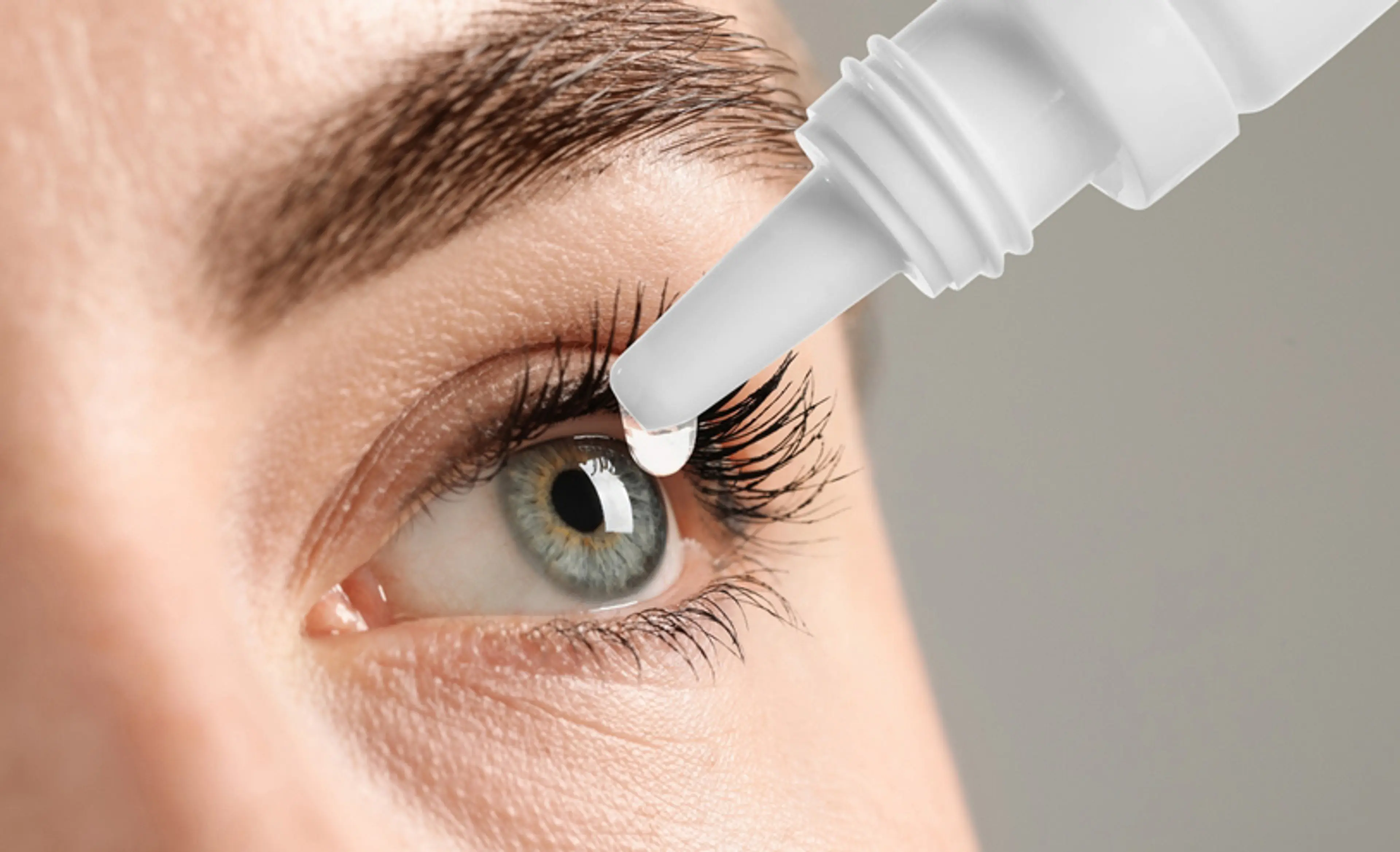
Autologous serum eye drops (ASEDs) are an innovative and personalized solution for managing dry eye disease. These drops are derived from the patient’s own blood, processed to extract the serum—the clear, nutrient-rich portion of blood—after clotting factors have been removed.
The serum is then diluted with sterile saline solution, usually to a 20% concentration, creating a biologically compatible solution that mimics the properties of natural tears. This natural substitute is rich in growth factors, vitamins, and immunoglobulins, such as Vitamin A, Epidermal Growth Factor (EGF), and Nerve Growth Factor (NGF), which are essential for eye health.
Since ASEDs are created from the patient’s own blood, there is virtually no risk of allergic reactions. This personalized approach makes ASEDs an attractive alternative for patients who require a more effective treatment than artificial tears.
The effectiveness of ASEDs lies in their biological composition, which closely resembles natural tears. These drops contain growth factors and vitamins that support the health of the ocular surface in ways artificial tears cannot. For example, Vitamin A plays an essential role in epithelial cell regeneration and mucin production, while EGF and NGF promote tissue healing and nerve regeneration.
ASEDs help stabilize the tear film, repair damaged epithelial cells, and reduce inflammation. This makes them particularly beneficial for patients with severe dry eye, ocular surface disease, and post-surgical recovery. Many patients report not only symptom relief but also significant improvements in corneal clarity and overall eye comfort.
Because the drops are created from the patient’s own serum, they are biocompatible and free from preservatives, reducing the risk of irritation. Regular use of ASEDs can decrease dependency on artificial tears and lead to long-term eye health improvements.
Long-term studies also show sustained relief from dry eye symptoms, improved corneal staining, and enhanced tear production. As ASEDs gain wider adoption globally, including in the U.S., South Korea, and Japan, they are becoming a mainstay in the treatment of advanced dry eye disease.
Autologous serum eye drops are particularly helpful for patients with moderate to severe dry eye who have not responded well to conventional treatments. Ideal candidates include:
Since the formulation is made from the patient’s own blood, the risk of immune rejection is negligible. However, patients with certain blood disorders or active infections may not be suitable candidates and should undergo a thorough pre-treatment evaluation.
The process of creating autologous serum eye drops is straightforward but requires precision and adherence to strict sterile protocols. Here’s an overview of the steps involved:
Patients are instructed on proper handling and storage to ensure the safety and efficacy of the drops.
Safety is paramount in the preparation and administration of ASEDs. Because the drops are derived from the patient’s own blood, the risk of allergic reactions or immune rejection is almost nonexistent. However, maintaining sterility is essential to prevent contamination.
The blood collection and processing are done in sterile medical environments, ensuring that all equipment is properly sanitized. Patients are provided with clear instructions on how to store and use the drops to prevent contamination and maintain their effectiveness.
While ASEDs are generally safe, some patients may experience mild irritation, burning, or redness shortly after application. These effects are usually temporary and subside as the eyes adjust to the treatment.
In rare cases, improper storage or handling can lead to contamination, increasing the risk of infection. Strict adherence to the storage and handling guidelines can minimize this risk. Additionally, patients with blood disorders or active infections may not be suitable candidates for this treatment and should consult with their ophthalmologist prior to beginning therapy.
ASEDs are increasingly being recognized as a cornerstone in the treatment of dry eye disease. In countries such as South Korea, Japan, and the U.S., ASEDs are already widely used in both academic and private medical centers. This growing acceptance is driven by clinical studies that highlight their efficacy, especially in patients with severe or chronic dry eye.
The global demand for personalized treatments, like ASEDs, continues to rise, fueled by the growing prevalence of dry eye and increased awareness of ocular surface disease. Innovations such as plasma-rich eye drops and stem cell therapies are emerging, but autologous serum drops remain one of the most accessible and clinically supported biological treatments available.
Autologous serum eye drops represent a significant advancement in the treatment of dry eye syndrome. By offering a personalized, biologically active solution, they provide long-term relief for patients suffering from severe dry eye, particularly those with autoimmune conditions or post-surgical needs.
With their proven efficacy and biocompatibility, ASEDs are poised to become a standard part of dry eye management. As global demand for more effective treatments continues to grow, clinics around the world are embracing this personalized approach to eye care, offering patients a path to improved comfort and quality of life.