Introduction
introductionIf you're struggling with blurry vision and have been diagnosed with astigmatism, you may have wondered if LASIK is a viable solution for you. The good news is that LASIK is not only an option for astigmatism, but it can also be one of the most effective treatments available. Whether you’re tired of relying on glasses or contacts or simply want to improve the clarity of your vision, LASIK might offer the freedom you're seeking.
At Jryn Eye Clinic, we understand that each patient’s vision needs are unique. That’s why we take a personalized, thorough approach to determining the best treatment for astigmatism, including whether LASIK is the right choice for you. In this article, we’ll dive into how LASIK works for astigmatism, the benefits it offers, and what you should consider when thinking about this life-changing procedure. So, if you’re curious about whether LASIK could improve your vision, keep reading!
What Is Astigmatism and How Does It Affect Vision?
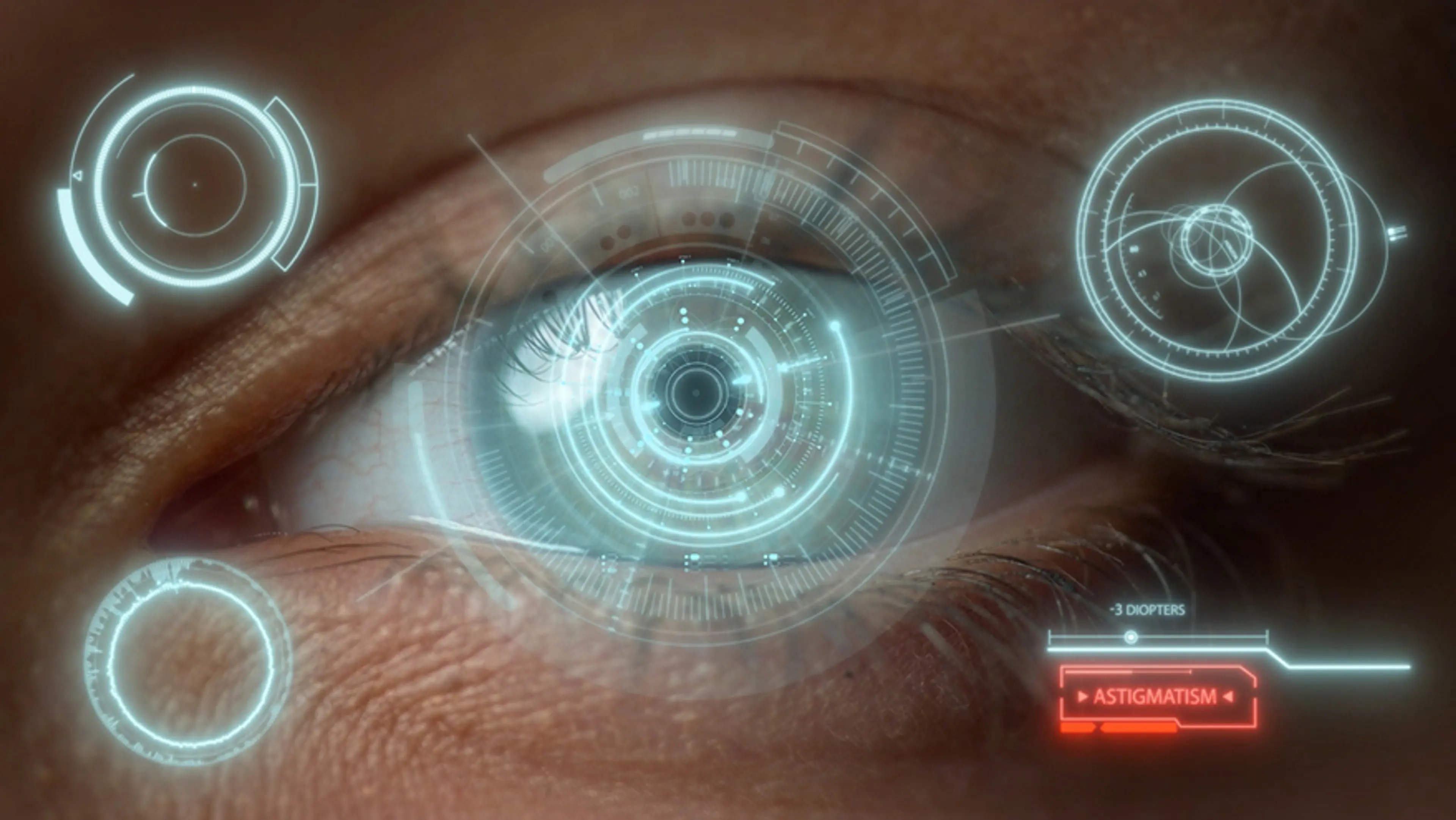
what-is-astigmatism-and-how-does-it-affect-visionAstigmatism is a common refractive error that causes blurred or distorted vision. It occurs when the cornea (the clear, dome-shaped front surface of your eye) or the lens inside your eye is irregularly shaped. In a perfectly shaped eye, the cornea and lens are smooth and evenly curved, allowing light to focus directly on the retina at the back of the eye. However, in an eye with astigmatism, the cornea or lens is more oval or football-shaped, rather than spherical. This irregular shape causes light to be focused on multiple points or areas, instead of a single point on the retina.
This misalignment results in blurry vision at all distances—whether you’re trying to focus on something close or far away. People with astigmatism often find it difficult to see clearly, leading to eye strain, headaches, and even difficulty driving at night.
Symptoms of Astigmatism:
symptoms-of-astigmatism:Blurry or distorted vision at both near and far distances.
Frequent eye strain or fatigue, especially after prolonged reading or screen use.
Headaches caused by the eyes working harder to focus.
Difficulty seeing clearly in low-light or nighttime conditions.
Frequent changes in prescription glasses or contact lenses.
While astigmatism is a common condition, it is also highly treatable with a variety of vision correction methods, including glasses, contact lenses, and refractive surgery such as LASIK. Understanding how astigmatism affects your vision is the first step toward finding the right treatment to improve your quality of life.
Can LASIK Correct Astigmatism?
can-lasik-correct-astigmatismAbsolutely! LASIK (Laser-Assisted in Situ Keratomileusis) is one of the most effective treatments available for correcting astigmatism. This laser-based procedure works by reshaping the cornea to improve its curvature, ensuring that light entering the eye focuses properly on the retina. By addressing the underlying cause of astigmatism — the irregular shape of the cornea — LASIK can drastically improve vision and, in many cases, eliminate the need for glasses or contacts.
Types of Astigmatism LASIK Can Treat
types-of-astigmatism-lasik-can-treat
Mild to Moderate Astigmatism: LASIK is highly effective for treating mild to moderate astigmatism. For many patients, LASIK provides a long-lasting solution that significantly improves vision, offering the possibility of achieving 20/25 vision or better without the need for corrective eyewear.
Severe Astigmatism: Even for more severe cases of astigmatism, LASIK can still be an option. However, the results may not be as dramatic as those seen in mild or moderate cases. In situations where LASIK is less effective, other treatments such as EVO ICL (Implantable Collamer Lens) or PRK (Photorefractive Keratectomy) might be recommended to provide optimal results.
The LASIK Procedure for Astigmatism
the-lasik-procedure-for-astigmatismThe LASIK procedure itself is fairly straightforward and typically takes less than 15 minutes per eye. Here’s a breakdown of how it works:
Flap Creation: A small flap is made on the surface of your cornea using a precision laser or a microkeratome (a surgical instrument). This flap is then carefully lifted to expose the underlying corneal tissue.
Corneal Reshaping: Using an excimer laser, the surgeon reshapes the cornea. For astigmatism, the laser targets the irregularities in the curvature of the cornea, smoothing out the areas that cause the distortion. This allows the light entering the eye to be focused on a single point on the retina.
Flap Repositioning: Once the reshaping is complete, the corneal flap is carefully repositioned. The cornea begins to heal naturally, without the need for stitches.
For most patients, LASIK offers a quick recovery period. While you may experience some mild discomfort, such as dryness or light sensitivity, these effects typically subside within a few days. Many people notice an improvement in their vision within hours of the procedure, with full recovery occurring in just a few days.
Candidacy for LASIK with Astigmatism
candidacy-for-lasik-with-astigmatismWhile LASIK is a great option for many astigmatism sufferers, not everyone is a candidate. Several factors need to be considered before determining if LASIK is right for you:
Stable Prescription: Your prescription should be stable for at least 6 to 12 months before undergoing LASIK.
Corneal Thickness: LASIK requires enough corneal tissue to safely reshape the eye. If your corneas are too thin, LASIK might not be the best option.
Overall Eye Health: Conditions like dry eye, eye infections, or corneal scarring may disqualify you from LASIK. Your ophthalmologist will assess the overall health of your eyes before recommending the procedure.
Degree of Astigmatism: While LASIK is effective for mild to moderate astigmatism, severe astigmatism may require additional treatment options like EVO ICL.
Benefits of LASIK for Astigmatism
benefits-of-lasik-for-astigmatism
Improved Vision: The main benefit of LASIK for astigmatism is improved vision. After the procedure, most patients experience clearer, sharper vision without the need for glasses or contacts.
Quick Recovery: LASIK typically has a fast recovery time. Most patients can return to normal activities within a few days, and many even notice improvements in vision within hours.
Long-Lasting Results: The results of LASIK are generally permanent, though you may experience slight changes in your vision as you age (for example, developing presbyopia in your 40s).
No More Glasses or Contacts: One of the major advantages of LASIK for astigmatism is the potential to eliminate the need for corrective eyewear. For many people, LASIK reduces or completely removes their reliance on glasses and contact lenses.
What If You Have Both Astigmatism and Near-Sightedness or Far-Sightedness?
what-if-you-have-both-astigmatism-and-near-sightedness-or-far-sightednessIf you have astigmatism along with myopia (nearsightedness) or hyperopia (farsightedness), LASIK can still help. In fact, LASIK is commonly used to treat both astigmatism and these refractive errors simultaneously, often providing a single treatment for multiple vision problems.
Alternative Options for Astigmatism
alternative-options-for-astigmatismIf LASIK isn't the right choice for you, there are other treatments available:
PRK (Photorefractive Keratectomy): A similar procedure to LASIK, PRK reshapes the cornea but doesn’t require a flap to be made. This may be a better option if you have thin corneas.
EVO ICL (Implantable Collamer Lens): This is a great option for people with high astigmatism or those who aren’t candidates for LASIK. An artificial lens is implanted in the eye, which can correct both myopia and astigmatism without the need for corneal reshaping.
Toric Lenses: If you aren’t a candidate for surgery or prefer a non-surgical solution, toric contact lenses can correct astigmatism. These lenses are specially designed to correct the uneven curvature of your cornea.
Conclusion: Is LASIK Right for You?
conclusion:-is-lasik-right-for-youIf you're living with astigmatism and considering LASIK, it could be a life-changing decision that improves the clarity and quality of your vision. However, it's essential to consult with an experienced ophthalmologist, like Dr. Han Sang Yeop at Jryn Eye Clinic, to determine if you’re a good candidate for the procedure. At Jryn Eye Clinic, we specialize in personalized care and advanced vision correction techniques like LASIK, SMILE LASIK, and EVO ICL. Our team of experts will thoroughly evaluate your eye health and offer the best solution for your unique needs.
If you’re wondering whether LASIK can help with your astigmatism, the next step is scheduling a consultation with an eye care specialist. Understanding your options and what will work best for your eyes can bring you one step closer to better vision and a life without glasses or contacts.