Home / Articles
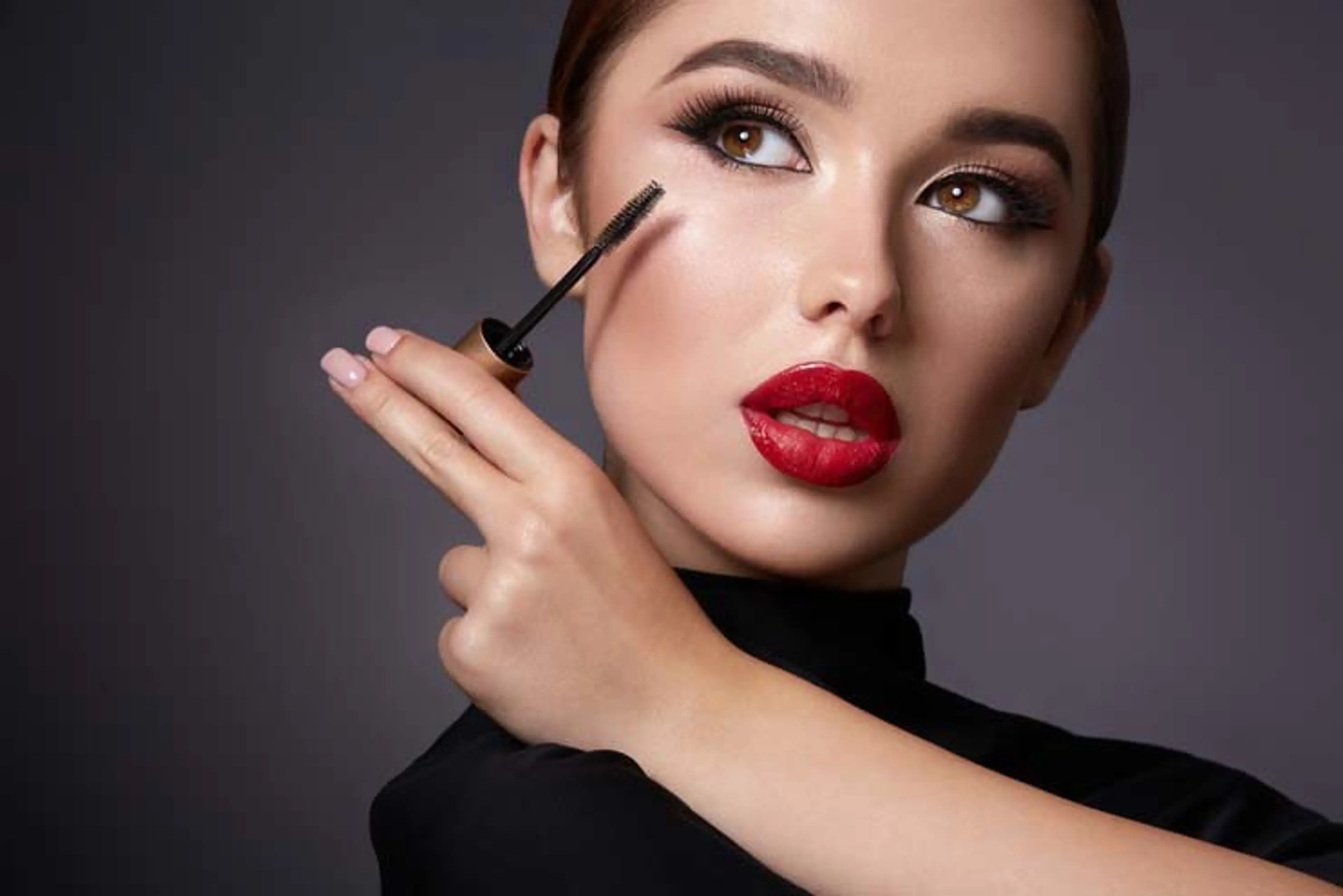
Can You Wear Mascara After LASIK?
Home / Articles
Can You Wear Mascara After LASIK?
Let’s set the scene: you’ve just had LASIK. Your vision is crisp, the world feels brighter, and you're ready to enjoy life without glasses or contacts. But then a practical question pops up—“When can I wear mascara again?” It might seem small, but if you’re someone who wears makeup regularly, this matters a lot. Especially in South Korea, where beauty routines are part of daily life, it’s a perfectly normal concern.
For many people, makeup isn’t just cosmetic—it’s emotional. It represents self-expression, confidence, and even a daily ritual of self-care. For professional women, actors, influencers, or service workers, a polished look may be part of their job. So it’s no surprise we often get this question from patients: "When can I safely return to my makeup routine?"
Here’s what we tell our patients at Jryn Eye Clinic in Busan—where precision eye care meets everyday practicality.
Before we answer the mascara question directly, it’s important to understand why eye care after LASIK is so crucial.
LASIK isn’t just a surface-level procedure. It involves reshaping your cornea with a laser—usually under a corneal flap. Even though healing starts quickly, the first few days and weeks are a critical window where your eyes are vulnerable to infection, dryness, and irritation.
The corneal flap, although stable, needs time to fully reattach and heal. In this window, even small particles or minor irritants can cause discomfort or complications. That includes makeup. It’s not just about the mascara itself—it’s about the applicator, the removal process, and the microscopic particles that can enter your eye area.
And even a perfectly sterile mascara wand becomes risky if it accidentally touches the healing corneal surface or if the removal process involves tugging or rubbing.
Anything that brings bacteria, pressure, or foreign particles near your healing eyes—including mascara, eyeliner, or eyeshadow—can pose a risk.
Yes—but not right away. Most surgeons recommend waiting at least 1 to 2 weeks before applying any eye makeup, including mascara. At Jryn Eye Clinic, we usually advise a two-week minimum, depending on how your healing is progressing.
And there’s a reason we’re cautious.
Mascara can flake, introducing small particles into your eye. If those particles get under your healing corneal flap or irritate your tear film, it could lead to dryness, inflammation, or even infection—and undo some of the benefits of the surgery.
In addition, your eyes may feel more sensitive in the days after LASIK. Even if your vision is excellent, your ocular surface might still be adjusting. Applying makeup too soon can cause stinging, watering, or discomfort that delays healing.
Let’s say you forgot the instructions and reached for mascara a few days post-op. What’s the worst that could happen?
While not every case leads to disaster, the risk is real. Mascara flakes can irritate the eye's surface, potentially dislodging the healing flap or introducing bacteria. Some patients report blurry vision, burning, or a scratchy sensation afterward.
In rare but serious cases, early eye makeup use has contributed to post-LASIK complications such as:
Infectious keratitis (a corneal infection)
Flap inflammation or displacement
Prolonged dry eye symptoms
Conjunctival irritation
Delayed epithelial healing
The real danger isn’t just the product—it’s the process. Rubbing to apply or remove mascara too soon is often more harmful than the mascara itself.
We get this question often: “What if it’s a clean brand? Can I wear hypoallergenic mascara sooner?”
To be honest, even the safest mascaras carry physical risks, not just chemical ones. It’s not just about allergic reactions—it’s about tiny fibers, flakes, or smudges entering the eye area while it’s still healing.
So whether it’s a high-end Korean beauty brand or a natural organic one from overseas, the two-week rule still applies.
Also, don’t be misled by terms like "ophthalmologist-tested" or "contact-lens safe." Those are reassuring, but they’re not licenses to break your recovery plan.
Once your ophthalmologist gives you the green light (and you’re at least 14 days post-op), you can slowly reintroduce mascara. But be extra careful. Here’s what we recommend at Jryn Eye Clinic:
These are small habits, but they make a big difference in protecting your vision.
In Korea, where grooming is often part of daily professionalism—especially for women—being told to skip mascara for two weeks can feel awkward. We get it.
That’s why at Jryn Eye Clinic, we always offer clear post-op timelines and gentle strategies for managing the “makeup gap.” If you’re returning to work or attending a special event, we can recommend non-eye makeup alternatives that help you feel confident without compromising healing.
For example:
Even something as simple as wearing a bold color blouse or clean hairstyle can help shift focus away from your eyes while they heal.
If you've already worn mascara before your doctor said it was safe, don't panic—but don't ignore it either. Remove it gently with a sterile wipe and monitor your eyes for any redness, dryness, or discomfort. Avoid rubbing or using harsh removers.
At our clinic, we encourage patients to come in for a quick check if they’ve had an early makeup mishap. A simple exam can ensure there’s no flap disturbance or inflammation. It’s always better to check than to wait.
And one more thing: be honest with your surgeon. We’re not here to scold—we’re here to protect your eyes.
This isn’t just a women’s issue. More Korean men are using under-eye creams, BB creams, or concealers. If you're applying anything near the eyelid or lashes, the same caution applies. Even skincare products can contain preservatives or active ingredients that irritate post-LASIK eyes.
We usually suggest switching to a bland, ophthalmologist-approved product for the first month. Look for fragrance-free, preservative-free options, ideally in single-use containers. Products containing retinol, vitamin C, or acids should be avoided near the eyes until full healing is confirmed.
And be mindful during application. Dab—don’t rub. Press gently with your ring finger or a clean cotton swab.
Every eye heals at its own pace. Factors like dry eye, flap sensitivity, or even slight inflammation can extend your recovery period. That’s why we never give a one-size-fits-all answer.
At our clinic, we use precision-based diagnostics at each follow-up. If your tear film is stable, your flap is secure, and there’s no sign of irritation, we’ll guide you step-by-step—whether that means mascara at 14 days or waiting a bit longer.
Healing is not just about time—it's about quality of recovery. The more you protect your eyes early on, the smoother your long-term results will be.
Sometimes we recommend holding off a bit longer—especially if you already have dry eye or allergies, which can complicate healing.
It’s completely normal to want to return to your full beauty routine after LASIK. But your eyes just went through a delicate, high-precision surgery. Give them the respect—and rest—they deserve.
A short break from mascara is a small investment for years of clear, natural vision.
At Jryn Eye Clinic, we believe post-LASIK care isn’t just about preventing complications—it’s about helping you feel confident and cared for throughout the healing journey.
So be patient with your eyes. Let them rest, hydrate, and recover.
And if you ever have questions about your recovery—even something as simple as eye makeup—ask your doctor. Or visit a clinic that combines technology with personalized, compassionate care. That’s what we offer every day at Jryn Eye Clinic.