Home / Articles
Corneal Cross-Linking: Who Should Consider It?
Home / Articles
Corneal Cross-Linking: Who Should Consider It?
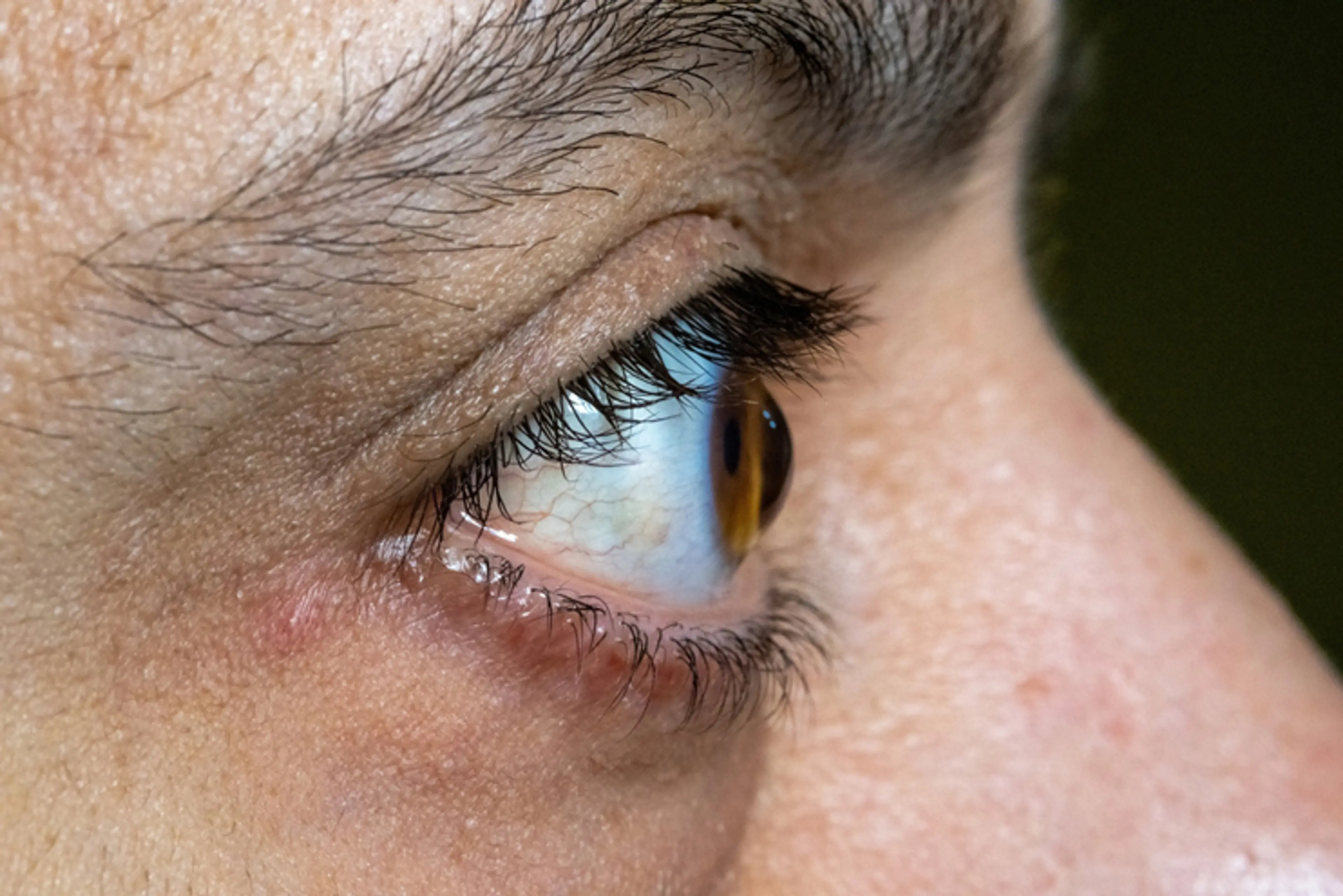
Most people rarely think about their corneas—the clear, dome-shaped layer at the front of the eye that quietly handles most of the eye’s focusing power. Yet for some, that transparent shield begins to change shape, thinning and bulging until the world itself starts to look distorted. Letters blur, lights streak, and no pair of glasses seems to fix it.
This condition, known as keratoconus, can appear in your teens or twenties and often progresses silently for years. Many patients first notice something is wrong only after several frustrating trips to the optician. By then, the cornea has already begun to weaken.
At Jryn Eye Clinic in Busanjin-gu, Busan, we see this story far too often—and it’s precisely why Corneal Cross-Linking (CXL) has become one of the most important breakthroughs in modern ophthalmology.
CXL doesn’t change the cornea’s shape with a laser or replace it with an artificial lens. Instead, it strengthens the natural cornea itself—stopping keratoconus before it progresses further. In other words, it helps you keep the clear, healthy vision you already have.
The cornea is like the clear windshield of your eye—transparent, curved, and essential for focusing light. When it weakens, it can begin to bulge outward, distorting vision. This condition is most commonly known as keratoconus, though similar changes can also occur after refractive surgeries such as LASIK (known as post-LASIK ectasia).
The result? A stronger, more stable cornea that resists further bulging and thinning.
Left untreated, keratoconus can eventually lead to severe visual impairment or even the need for a corneal transplant. Cross-linking doesn’t reverse the shape changes that have already occurred, but it stops the disease from getting worse—which, in many cases, is the single most important goal.
In these cases, cross-linking serves as a stabilizer, halting progression and preserving as much natural vision as possible.
Even though modern LASIK and SMILE surgeries are remarkably safe, a small number of patients may develop corneal instability afterward. This is known as post-refractive ectasia—a condition similar to keratoconus, where the cornea gradually weakens and changes shape.
Corneal cross-linking can help rebuild structural integrity and prevent further deterioration, often saving the need for more invasive interventions.
If a close relative has keratoconus, you might not have symptoms yet—but you’re at higher risk. Regular screenings, including corneal topography and tomography, are essential. If early signs appear, cross-linking can act as a preventive treatment, strengthening the cornea before vision becomes compromised.
For patients considering LASIK or SMILE but showing borderline corneal stability, cross-linking can help create a stronger foundation first. This ensures safer outcomes and long-term stability for any future refractive procedure.
At Jryn Eye Clinic, every patient undergoes a detailed evaluation—including corneal pachymetry (thickness mapping) and biomechanical assessment—before recommending cross-linking.
Corneal cross-linking may sound complex, but it’s performed under topical anesthesia and is minimally invasive.
There are two main techniques:
At Jryn Eye Clinic, we select the method based on your corneal structure and lifestyle needs.
The entire procedure takes about an hour. Most patients experience mild discomfort or tearing for a few days, similar to a scratched eye sensation. We provide medication and follow-up care to ensure smooth recovery.
Patients are typically advised to:
Avoid rubbing the eyes for several weeks.
Use prescribed antibiotic and anti-inflammatory drops.
Attend scheduled follow-up visits to monitor corneal shape.
At Jryn Eye Clinic, we use advanced corneal imaging (Pentacam HR, anterior OCT) during follow-up to track even subtle changes in corneal curvature and strength.
In many studies, over 90% of patients who undergo cross-linking experience stabilization or even mild improvement in corneal shape. In some cases, the cornea becomes slightly flatter, resulting in better clarity.
For patients with significant distortion, additional treatments such as:
One of the greatest misunderstandings about keratoconus is that it only affects people with “bad eyesight.” In reality, it often begins subtly—and by the time vision blurs significantly, irreversible thinning may already have occurred.
That’s why early corneal screening is vital, especially for:
Teenagers or young adults with high or irregular astigmatism.
Individuals who frequently change glasses but never feel fully corrected.
Those with a family history of keratoconus.
Dr. Han Sang Yeop, who has over 20 years of ophthalmic surgical experience, oversees each procedure personally. His expertise ensures that cross-linking is performed with precision, using state-of-the-art UV systems and riboflavin formulations tailored to the patient’s corneal thickness and curvature.
For complex cases, we also offer combined CXL procedures, where cross-linking is paired with topography-guided PRK or intrastromal ring segments (ICRS) to not only strengthen but also reshape the cornea. This approach provides both stability and functional vision improvement—particularly for patients seeking to reduce dependence on rigid contact lenses.
Our goal is not just to halt the disease, but to restore confidence—the confidence to drive at night, read without strain, and live without fear that your vision will worsen.
Corneal Cross-Linking isn’t a cosmetic enhancement—it’s a form of protection. It doesn’t promise perfect vision overnight, but it does offer something more profound: the ability to preserve your sight before it slips away.
At Jryn Eye Clinic, we’ve seen how powerful early detection and personalized care can be. With advanced diagnostic imaging, gentle precision technology, and the experience of Dr. Han Sang Yeop and his team, even patients with early keratoconus can look forward to stable, lasting vision.
If there’s one truth we’ve learned, it’s this: timing matters. The earlier you address corneal weakness, the greater your chance of preventing irreversible changes. A short, painless test today could save years of visual decline tomorrow.