Home / Articles
Enhance Night Driving Vision: Solutions for Common Vision Disorders
Home / Articles
Enhance Night Driving Vision: Solutions for Common Vision Disorders
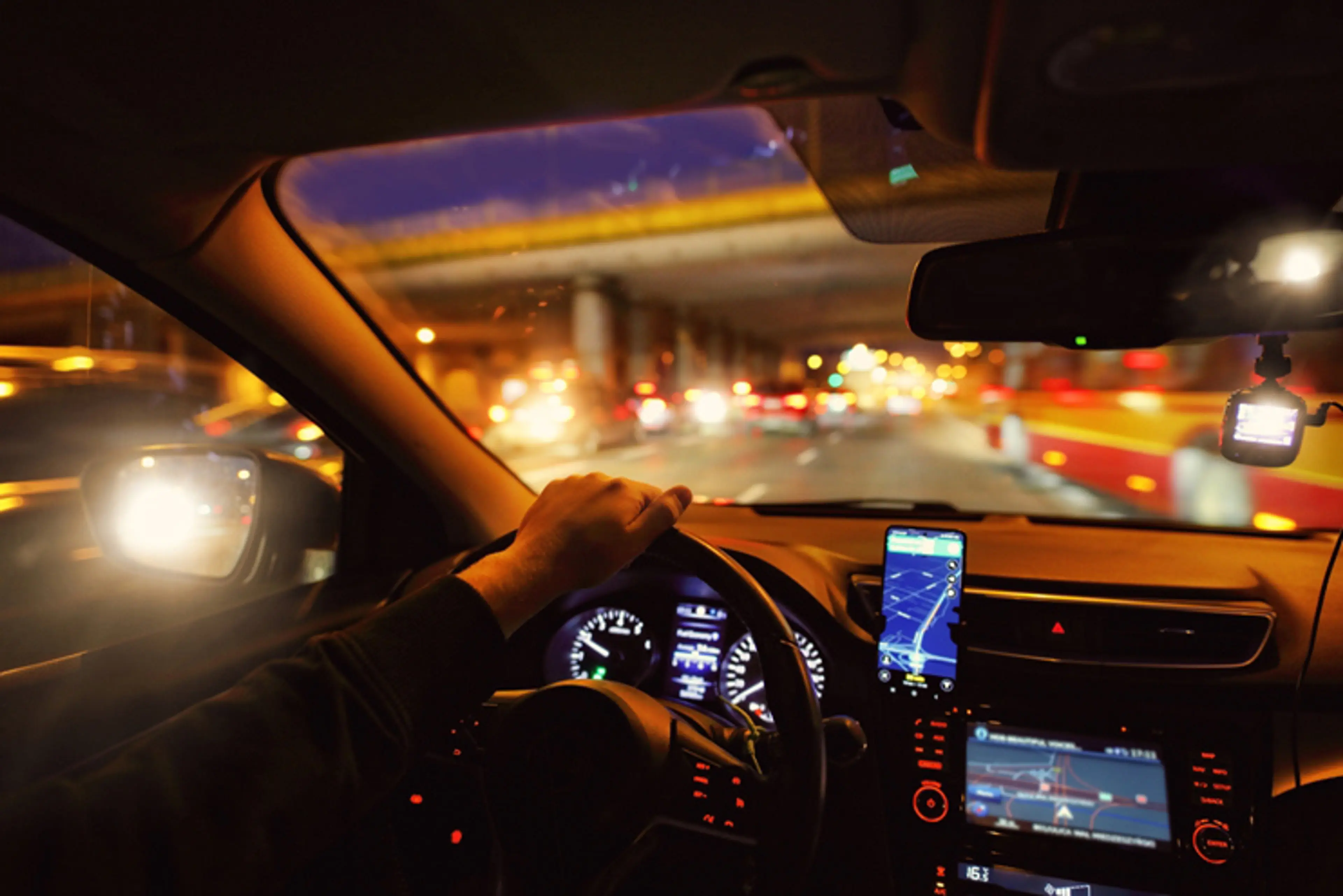
Driving at night presents unique challenges that many of us encounter, but for some, these difficulties are compounded by underlying vision problems. Imagine you’re driving down an unfamiliar road, and the headlights of oncoming traffic seem to blur, making it harder to see road signs or pedestrians. It’s a common experience for people with certain vision disorders, and the risks can be significant, especially when driving at night. These problems aren’t always noticeable during daylight, but when darkness falls, they can dramatically impact one’s ability to navigate safely. Fortunately, with proper diagnosis and treatment, these vision issues can be managed effectively, improving your nighttime driving experience.
Vision conditions such as glare sensitivity, poor contrast sensitivity, myopia (nearsightedness), astigmatism, and cataracts can all worsen in low-light conditions. These issues can make night driving not only uncomfortable but also dangerous. If you’ve ever struggled to see clearly or felt discomfort from bright headlights, you’re not alone. Identifying the specific cause of your night vision problems is the first step toward regaining confidence behind the wheel. With advances in eye care, there are a variety of treatments available that can improve both safety and comfort when driving at night.
One condition that’s frequently misunderstood is night blindness, or nyctalopia. It doesn’t mean a total inability to see in the dark; rather, it refers to difficulty adjusting to low-light conditions after exposure to bright lights. If you’ve ever had trouble adjusting your vision after exiting a well-lit area, you may be experiencing symptoms of night blindness. For drivers, this can be particularly dangerous, as it can impair your ability to detect road hazards, pedestrians, and signs after dark.
Night blindness is often caused by conditions such as retinitis pigmentosa, a retinal disorder, or vitamin A deficiency. Cataracts can also contribute to this condition, as they cloud the eye’s lens and reduce the amount of light that enters the eye. If you suspect that night blindness is affecting your ability to drive at night, getting a thorough eye exam is crucial. Early diagnosis and treatment can go a long way in improving your night vision.
For many people, glare sensitivity is a significant problem when driving at night. Headlights from oncoming traffic can cause temporary blindness or significant discomfort, making it difficult to see the road and navigate safely. This issue is often caused by cataracts or refractive errors such as myopia and astigmatism. Cataracts cause clouding of the eye’s natural lens, which scatters light and creates glare. People with glare sensitivity often see halos or starbursts around lights, which can impair vision and reaction times.
In addition to glare sensitivity, poor contrast sensitivity can also complicate night driving. Individuals with this condition struggle to differentiate between objects in low-light settings. For example, they may find it challenging to see road signs, pedestrians, or other vehicles against a dark backdrop. This makes it harder to judge distances and react quickly, especially on unfamiliar roads.
Both glare sensitivity and poor contrast sensitivity can be assessed with specialized diagnostic tools. Once diagnosed, treatments like LASIK or SMILE LASIK can help correct refractive errors, while specialized lenses can alleviate glare sensitivity. These options can significantly improve your ability to drive safely at night.
Cataracts are one of the most common causes of vision problems, especially among older adults. Cataracts form when the natural lens of the eye becomes cloudy, leading to blurry or distorted vision. This cloudiness scatters light, making it difficult to see clearly at night. As cataracts progress, they can also cause glare, halos, and reduced contrast sensitivity, which are all especially problematic during nighttime driving.
Many people with cataracts may not realize the full extent of the problem until it affects their ability to drive safely. The bright headlights from oncoming vehicles can become overwhelming, and streetlights or traffic signals can appear as glaring spots of light, making it difficult to see the road clearly. The good news is that cataracts can be treated effectively with surgery. Newer surgical techniques, such as the use of the Catalys system and Zepto cataract technology, offer more precise and efficient removal of the cloudy lens, greatly improving vision, especially in low-light conditions.
Myopia (nearsightedness) and astigmatism are two common refractive errors that can make nighttime driving challenging. Myopia occurs when the eye is too long or the cornea too curved, causing distant objects to appear blurry. For individuals with myopia, this issue can become more pronounced at night, making it harder to see road signs, pedestrians, and other vehicles clearly.
Astigmatism, on the other hand, is caused by an irregularly shaped cornea or lens, which leads to distorted or blurry vision. People with astigmatism may see halos or streaks of light around headlights or streetlights, which can impair their ability to see clearly while driving at night.
Both conditions can be corrected with glasses, contact lenses, or refractive surgeries like LASIK and SMILE LASIK. These procedures reshape the cornea, allowing light to focus properly on the retina and improving both daytime and nighttime vision.
Fortunately, there are treatments available to address presbyopia. Multifocal lenses, available in both glasses and contact lenses, can help individuals focus at both near and far distances. Additionally, LASIK and SMILE LASIK can correct both presbyopia and other refractive errors, improving overall vision and making it easier to see clearly at night.
Retinal conditions like macular degeneration and diabetic retinopathy can also significantly impact night vision. The retina, located at the back of the eye, plays a crucial role in processing light and transmitting visual signals to the brain. Retinal disorders can damage this process, leading to blurred or distorted vision, particularly in low-light conditions.
Macular degeneration leads to the deterioration of the central part of the retina, while diabetic retinopathy affects the blood vessels in the retina, causing bleeding or fluid leakage. Both conditions can impair night vision by reducing the ability to process light and contrast. Early detection of retinal disorders is critical, as timely intervention can preserve vision and prevent further damage. Treatment options may include laser therapy, injections, or surgery.
Dry eyes and eye fatigue are common problems that many people face, particularly when driving for extended periods at night. Dry eyes occur when the eyes don’t produce enough tears or when the tears evaporate too quickly, leading to irritation and discomfort. This condition can be particularly troublesome when driving, as it can make it harder to focus and see clearly, especially in low-light settings.
Eye fatigue, caused by prolonged screen time or constant focus while driving, can also contribute to blurry vision and discomfort. These conditions can be managed with lubricating eye drops, regular eye exercises, and adjustments to driving habits, such as taking breaks during long trips.
Jryn Eye Clinic offers a broad array of services for all types of eye conditions, from common vision correction procedures to highly specialized treatments. These include:
The clinic is equipped with some of the most advanced technology available in ophthalmology, ensuring precise diagnosis and effective treatments. This includes:
These technologies provide greater accuracy, faster recovery times, and superior outcomes.
If you struggle with night driving due to vision disorders, there are effective treatments available to restore clear, comfortable vision. From cataract surgery and LASIK to advanced diagnostic tools and specialized lenses, a variety of options exist to address the issues that interfere with nighttime driving.
Understanding your specific vision problems and seeking appropriate treatment is the key to improving your ability to drive safely at night. By working with an experienced ophthalmologist, you can explore the best options for your needs, ensuring a clearer, safer driving experience.