The Evolution of Vision Correction
the-evolution-of-vision-correctionFor many years, glasses and contact lenses were the go-to solutions for refractive vision problems like nearsightedness, farsightedness, and astigmatism. While these options were effective for millions of people, they were not without limitations, such as discomfort, the hassle of daily maintenance, and the aesthetic impact of wearing glasses. As a result, the demand for more permanent solutions led to the rise of LASIK, a laser vision correction procedure that quickly gained popularity for its fast recovery times and impressive results.
Yet, while LASIK has been a game-changer for many, it isn’t suitable for everyone. Factors such as thin corneas, high prescriptions, or other specific eye conditions can disqualify patients from LASIK eligibility. For these individuals, the answer may lie in a new generation of vision correction surgery—EVO ICL (Implantable Collamer Lens). This innovative procedure solves many of the challenges LASIK faces, offering an ideal solution for patients who were once told they weren’t candidates for laser vision correction. In particular, clinics like
Jryn Eye Clinic in Busan, South Korea, have made EVO ICL a leading choice for patients seeking effective, personalized vision solutions.
What Exactly is EVO ICL?
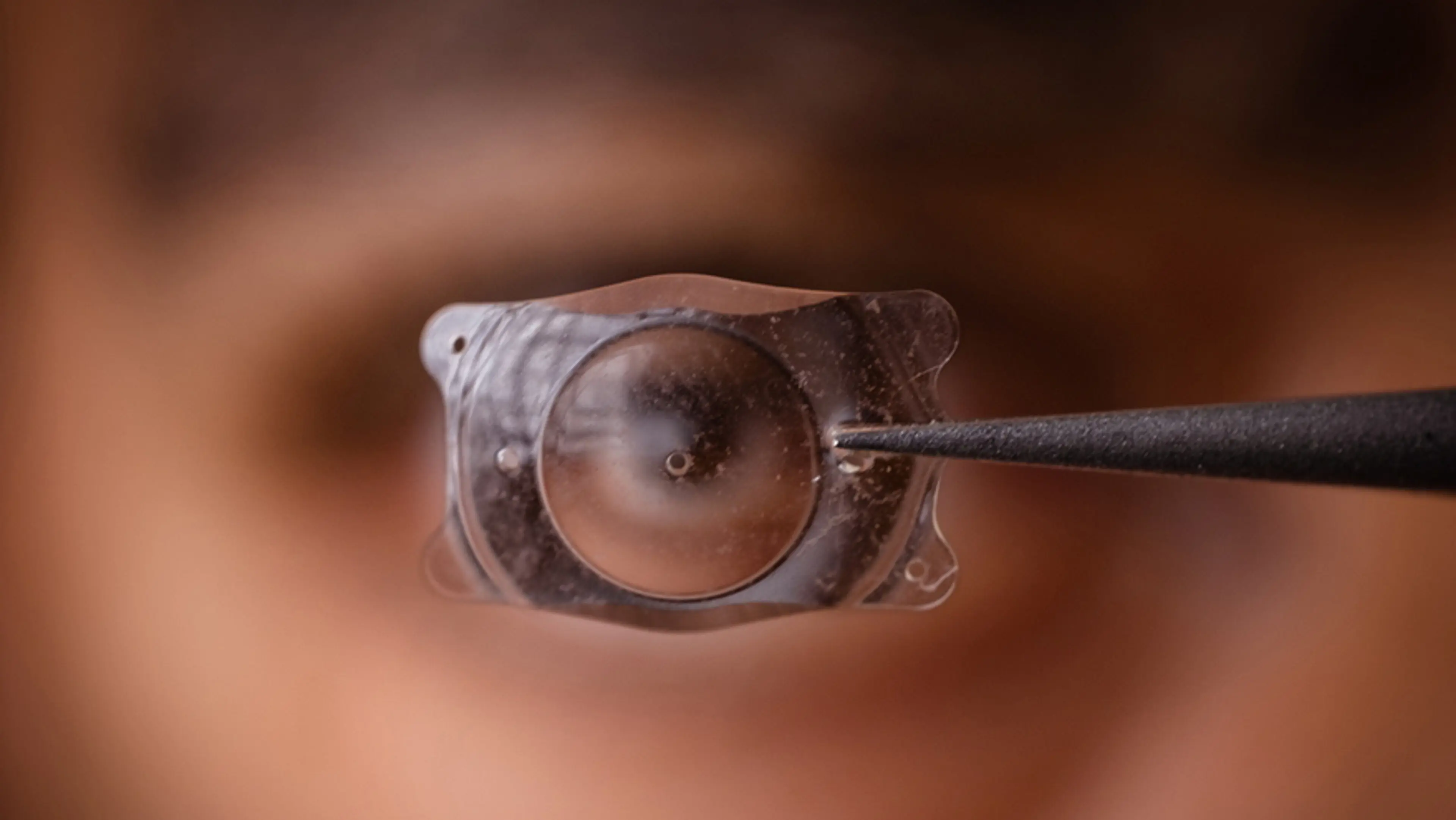
what-exactly-is-evo-iclEVO ICL is a refractive surgical procedure that involves implanting a biocompatible lens, called the Collamer lens, between the iris and the natural lens of the eye. Unlike LASIK, which reshapes the cornea using a laser, EVO ICL does not remove or alter any corneal tissue. Instead, the soft, flexible lens works in harmony with the natural lens to correct refractive errors.
The EVO ICL lens is made from Collamer, a collagen-based material known for its excellent biocompatibility, which minimizes the risk of inflammation and irritation. The procedure is minimally invasive and can be tailored to each patient's specific vision needs, offering highly precise results. One of the most notable aspects of EVO ICL is its reversibility: the lens can be removed or replaced if needed, which makes it an attractive option for individuals who may experience changes in their vision later in life.
With over
2 million EVO ICL implants performed worldwide, the procedure has become a trusted solution for those seeking stable, long-term
vision correction. Unlike contact lenses, EVO ICL does not require daily maintenance, and unlike LASIK, it preserves the integrity of the cornea, providing a safer option for many patients.
The Limitations of LASIK and Why EVO ICL is the Solution
the-limitations-of-lasik-and-why-evo-icl-is-the-solutionWhile LASIK has proven to be a highly successful procedure for the vast majority of patients, it has several limitations that can prevent some people from being good candidates. The procedure requires a minimum corneal thickness to maintain eye stability after the surgery. In patients with thin corneas, LASIK can weaken the cornea, leading to complications such as corneal ectasia, a condition where the cornea becomes progressively weakened and bulges outwards.
Additionally, LASIK may not be suitable for individuals with extreme prescriptions. LASIK has limits on the degree of refractive error it can correct, making it less effective for those with high myopia (nearsightedness) or significant astigmatism. EVO ICL, on the other hand, can correct a wider range of vision problems, including high degrees of nearsightedness, farsightedness, and astigmatism. For example, LASIK can typically correct myopia up to -10.00 diopters, whereas EVO ICL can correct myopia up to -20.00 diopters with excellent precision.
Another limitation of LASIK is the potential for dry eye syndrome. Since LASIK involves creating a flap on the cornea, it disrupts the nerves responsible for tear production, leading to a higher risk of chronic dry eyes. This issue is particularly problematic for people who already suffer from dry eyes or those who live in environments that exacerbate dryness, such as areas with low humidity or heavy air conditioning.
Finally, LASIK is a permanent procedure that permanently alters the cornea, which may not be ideal for patients who are concerned about future vision changes, such as the development of cataracts. The reversibility of EVO ICL provides peace of mind to patients who want the option to make adjustments as their vision needs evolve.
How EVO ICL Overcomes LASIK’s Challenges?
how-evo-icl-overcomes-lasik's-challengesOne of the standout advantages of EVO ICL is that it preserves the natural structure of the cornea. Since no corneal tissue is removed or reshaped, the procedure poses no risk of corneal thinning or instability. This makes EVO ICL a safe and effective option for individuals with thin corneas, irregular corneal shapes, or other anatomical concerns that would typically disqualify them from LASIK.
Furthermore, EVO ICL can treat a broader range of prescriptions, including those with extreme refractive errors. Patients with severe nearsightedness, farsightedness, or astigmatism who were once considered ineligible for LASIK can benefit from EVO ICL’s superior precision. The lens is custom-designed for each eye, offering a level of personalized correction that surpasses many surface-based laser treatments like LASIK.
The reversibility of the procedure is another key advantage. While LASIK permanently alters the cornea, EVO ICL is an additive procedure that places a lens inside the eye without removing or reshaping any of the eye’s natural tissue. If a patient’s vision changes over time, the lens can be safely removed or replaced. Additionally, should the patient require cataract surgery later in life, the lens can be easily removed without complicating future procedures.
In comparison to LASIK, EVO ICL also provides better results in night vision. Many LASIK patients experience glare, halos, or starbursts at night, especially if they have large pupils. This happens because LASIK reshapes the cornea, but it doesn’t always align with the changes in pupil size under low-light conditions. EVO ICL, however, preserves the eye’s natural shape, resulting in better contrast sensitivity and sharper vision in low-light conditions. This makes it an excellent choice for individuals who frequently drive at night or work in dimly lit environments.
Why Choose Jryn Eye Clinic for EVO ICL?
why-choose-jryn-eye-clinic-for-evo-iclWhen considering EVO ICL surgery, the expertise of the clinic and the surgeon is crucial. Jryn Eye Clinic in Busan, South Korea, is a leading center for EVO ICL surgery, with over 3,000 successful EVO ICL procedures performed, including more than 1,000 Toric ICL surgeries for astigmatism. The clinic is renowned for its commitment to excellence, combining technical expertise with compassionate patient care.
Led by internationally recognized ophthalmologists such as
Dr. Han Sang Yeop and
Dr. Heo Joong Gu, Jryn Eye Clinic uses state-of-the-art technology, including the
VisuMax femtosecond laser,
3D imaging systems, and
advanced surgical platforms to ensure precise, effective results. Additionally, the clinic provides personalized care, offering multilingual support and thorough preoperative evaluations to ensure that each patient receives the best possible treatment.
With over 20 years of experience in vision correction surgery, Jryn Eye Clinic has earned a reputation for excellence, having received accolades like the ZEISS Smile LASIK Excellence Center Award and the Visian ICL Global Trainer Award. Their dedication to patient outcomes and advanced surgical techniques has made them a top destination for EVO ICL surgery in South Korea and beyond.
Dry Eye Syndrome: How EVO ICL Helps
dry-eye-syndrome:-how-evo-icl-helpsDry eye syndrome is one of the most common complications associated with LASIK surgery. LASIK cuts through the corneal nerves responsible for tear production, which can lead to a decrease in tear secretion. As a result, many LASIK patients experience chronic dry eyes, which can cause discomfort, blurred vision, and irritation.
EVO ICL, on the other hand, does not involve cutting or reshaping the cornea, so the nerves responsible for tear production remain intact. This means that patients who undergo EVO ICL are at a significantly lower risk of developing dry eye syndrome compared to LASIK patients. This is especially beneficial for individuals who already suffer from dry eyes or who live in environments where the air is dry or frequently exposed to wind.
By preserving the corneal nerves and avoiding corneal flap creation, EVO ICL provides a more comfortable and sustainable solution for patients who want to achieve sharp, lasting vision without compromising eye moisture or comfort.
EVO ICL: A Future-Proof Vision Correction Solution
evo-icl:-a-future-proof-vision-correction-solutionOne of the most compelling features of EVO ICL is its reversibility. Unlike LASIK, which permanently alters the cornea, EVO ICL involves placing a lens inside the eye without removing any corneal tissue. If the patient’s vision changes in the future or if they develop other eye conditions, the EVO ICL lens can be safely removed or replaced. This makes EVO ICL an ideal choice for patients who want a long-term solution without worrying about the permanent changes associated with LASIK.
As people age, their vision needs often evolve. For instance, many patients will eventually develop presbyopia, which affects the ability to focus on close objects. In these cases, EVO ICL can be safely adjusted or replaced to meet the patient’s new visual requirements. Additionally, if the patient develops cataracts, the EVO ICL lens can be removed before cataract surgery, ensuring that the patient’s vision remains stable and adaptable over time.
Conclusion: Is EVO ICL the Right Choice for You?
conclusion:-is-evo-icl-the-right-choice-for-youEVO ICL offers a superior vision correction solution for patients who may not be candidates for LASIK due to factors like high prescriptions, thin corneas, or the risk of developing dry eyes. The procedure’s ability to correct a wider range of prescriptions, improve night vision, reduce glare, and preserve the natural structure of the eye makes it a valuable alternative to LASIK.
With its reversibility, superior night vision, and the ability to correct more extreme refractive errors, EVO ICL provides a flexible and adaptable solution for those seeking a permanent solution to their vision problems. If you’ve been told you’re ineligible for LASIK or you’re simply looking for a more personalized vision correction option, EVO ICL may be the answer.
To learn more about how EVO ICL can improve your vision, schedule a consultation with the experts at Jryn Eye Clinic today and explore your options for clearer, more confident vision.