Introduction
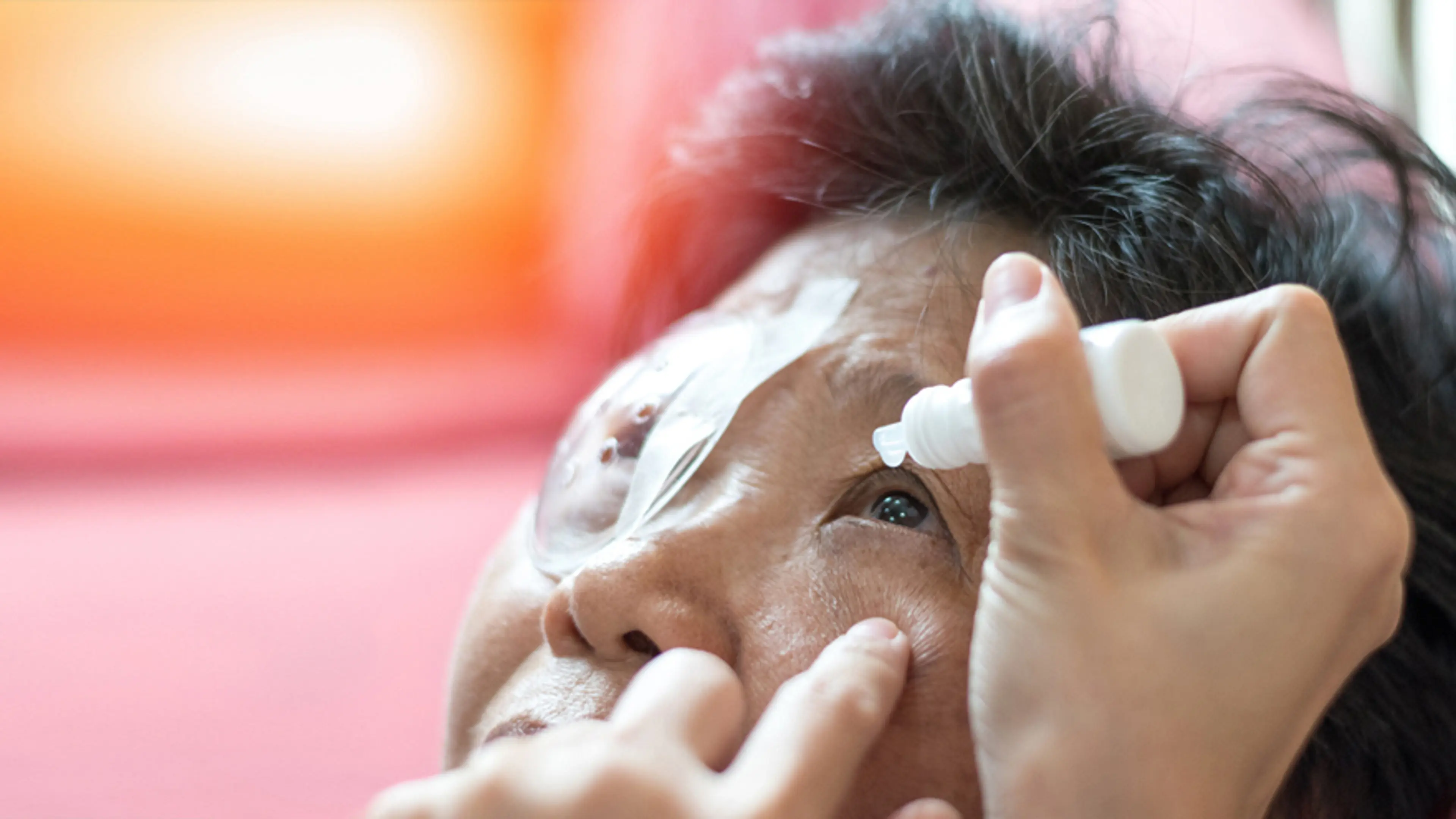
introductionEye surgery is often a life-changing procedure, offering the promise of clearer vision and improved quality of life. However, the recovery process can sometimes feel just as important as the surgery itself. One key aspect of that recovery is the use of eye drops. Whether you've undergone LASIK, cataract surgery, or another type of eye procedure, the right eye drops play a critical role in your healing journey. They can help manage dryness, reduce inflammation, prevent infections, and speed up recovery. But with so many different types of drops on the market, it can be hard to know which ones are essential for your specific needs. In this guide, we’ll break down which eye drops you really need after surgery, and why they’re so important for your healing process.
Why Are Eye Drops So Important After Surgery?
why-are-eye-drops-so-important-after-surgeryFirst, let’s take a step back. Why are eye drops even necessary after surgery? When you undergo any form of eye surgery, your eyes are essentially “injured,” even though the goal is to enhance vision. This healing process can lead to dryness, irritation, inflammation, and sometimes infection, all of which need to be managed carefully. Eye drops help to:
Lubricate the Eye: After surgery, your eyes may produce fewer tears, leading to a dry, gritty feeling. Lubricating eye drops help restore moisture, keeping your eyes comfortable and aiding the healing process.
Prevent Infection: Surgery opens the door to potential infections, especially when it comes to procedures like cataract or LASIK surgery. Antibiotic eye drops are often prescribed to prevent bacterial infections during recovery.
Reduce Inflammation: Inflammation is a natural part of the healing process, but it can be uncomfortable or even harmful if not controlled. Anti-inflammatory eye drops help manage swelling and prevent long-term complications.
Speed Up Healing: Certain eye drops can promote faster healing, encouraging the cells in the cornea to regenerate or keeping the eyes in an optimal environment for recovery.
Types of Eye Drops You Might Need After Surgery
types-of-eye-drops-you-might-need-after-surgeryWhile your doctor will tailor post-surgical care to your specific needs, there are a few categories of eye drops that are generally prescribed after surgery. Here’s a breakdown of the most common ones:
1. Lubricating Eye Drops (Artificial Tears)
1.-lubricating-eye-drops-(artificial-tears)One of the most common complaints after eye surgery is dry eye. This occurs because the eye's natural tear production can be temporarily reduced. Artificial tears, or lubricating eye drops, are a vital part of your recovery kit. They help alleviate dryness, reduce discomfort, and promote healing by keeping the eye moist.
Why You Need Them: Surgery can leave your eyes feeling dry, gritty, and uncomfortable. Using lubricating drops ensures that your eyes stay hydrated, allowing them to heal more comfortably.
What to Look For: Opt for preservative-free artificial tears as preservatives in some eye drops can irritate the eye, especially after surgery.
2. Antibiotic Eye Drops
2.-antibiotic-eye-dropsInfections are a serious risk after eye surgery. To prevent this, your surgeon will likely prescribe antibiotic eye drops. These are essential after procedures like LASIK or cataract surgery, where the surgical site needs extra protection.
Why You Need Them: Antibiotic drops help to ward off bacterial infections that could compromise the success of your surgery.
What to Look For: The most commonly prescribed antibiotics after surgery are fluoroquinolones like ofloxacin or ciprofloxacin. These are broad-spectrum antibiotics that work against a wide range of bacteria.
3. Anti-Inflammatory (Steroid) Drops
3.-anti-inflammatory-(steroid)-dropsAfter surgery, it’s common for the eyes to experience inflammation. This could lead to discomfort, blurry vision, and in more serious cases, delayed healing or even complications. Steroid drops reduce inflammation and promote faster healing.
Why You Need Them: Inflammation is part of the body's natural healing process, but it can cause complications if not managed properly. Steroid drops, such as prednisolone acetate, help keep inflammation under control.
What to Look For: While steroid drops are effective in managing inflammation, they should be used only under the guidance of your doctor. Overuse can lead to complications, including increased intraocular pressure (which can increase the risk of glaucoma).
4. Non-Steroidal Anti-Inflammatory Drops (NSAIDs)
4.-non-steroidal-anti-inflammatory-drops-(nsaids)NSAIDs are another class of anti-inflammatory eye drops that can help manage post-surgical discomfort. These drops are often used in conjunction with steroids to provide comprehensive inflammation control. NSAIDs help reduce pain, swelling, and redness.
Why You Need Them: They can help alleviate mild discomfort and reduce the risk of swelling after your procedure.
What to Look For: Common NSAID drops include ketorolac or diclofenac. These are typically prescribed for a short period after surgery.
5. Cycloplegic Eye Drops
5.-cycloplegic-eye-dropsCycloplegic drops are typically used after procedures like cataract surgery, where your eye’s lens is replaced. These drops temporarily paralyze the muscles that control eye movement, helping to stabilize your eye after surgery.
Why You Need Them: After cataract surgery, your eye needs time to adjust to the new lens. These drops help relax the eye, reducing discomfort and preventing the eye from moving during the early stages of recovery.
What to Look For: Cycloplegic drops often contain atropine or homatropine, which are used to provide comfort and aid the healing process.
6. Glaucoma Drops
6.-glaucoma-dropsIf you have a history of glaucoma or are at risk for it, your surgeon might prescribe specific drops to help maintain eye pressure. This is particularly important after surgeries like cataract surgery or glaucoma surgery, as the procedure can sometimes impact intraocular pressure (IOP).
Why You Need Them: If you have a history of elevated eye pressure or glaucoma, your doctor will want to keep your eye pressure in check post-surgery to prevent complications.
What to Look For: Common glaucoma medications include latanoprost or timolol, which help manage the pressure inside your eye.
How to Use Eye Drops Correctly After Surgery
how-to-use-eye-drops-correctly-after-surgery
Proper use of eye drops is just as important as the drops themselves. Here are a few tips to ensure you're getting the most benefit from your eye care routine:
Wash Your Hands: Always wash your hands thoroughly before applying any eye drops to avoid introducing bacteria into the eye.
Tilt Your Head Back: Gently tilt your head backward and pull down your lower eyelid to create a small pocket. This is where the drop will go.
Don’t Touch the Tip: Be careful not to let the dropper touch your eye or any other surface to prevent contamination.
Apply Drops as Prescribed: Stick to the prescribed dosage and schedule, even if you feel fine. Your eye needs time to heal, and consistency is key.
Wait Between Different Drops: If you're using multiple types of drops, wait at least 5 minutes between each one to ensure the medicine can be absorbed properly.
What to Avoid After Surgery
what-to-avoid-after-surgeryWhile eye drops are crucial to your recovery, there are certain things you should avoid doing after surgery to help your healing process:
Don’t Rub Your Eyes: It can be tempting to rub your eyes, especially if they feel dry or itchy, but doing so can disrupt the healing process and introduce bacteria.
Avoid Swimming: Swimming in pools, lakes, or hot tubs can expose your eyes to harmful bacteria, which could cause an infection.
Skip Makeup: It’s best to avoid wearing makeup, especially eye makeup, for a few weeks after surgery. This will reduce the risk of getting debris in your eyes and help prevent infections.
Why Choose Jryn Eye Clinic?
why-choose-jryn-eye-clinicChoosing the right eye clinic for your vision care is a big decision. At Jryn Eye Clinic, we understand how important your eye health is, and we strive to offer you the most advanced, compassionate, and personalized care possible. Here’s why so many patients in Busan—and beyond—trust us with their eye care needs:
1. Experienced & Trusted Specialists
1.-experienced-and-trusted-specialistsLed by Dr. Han Sang Yeop, a board-certified ophthalmologist with over 20 years of experience, Jryn Eye Clinic brings a wealth of knowledge and expertise to every patient. Dr. Han’s precision-driven approach to diagnosis and treatment ensures that you receive the highest standard of care, tailored to your specific needs. With a deep commitment to ongoing education and mastery of the latest technologies, you can trust that you are in capable hands.
2. State-of-the-Art Technology
2.-state-of-the-art-technologyAt Jryn Eye Clinic, we use the latest technology in the field of ophthalmology to provide cutting-edge treatments. From the precise and minimally invasive SMILE LASIK to advanced EVO ICL implants and laser systems for retinal diseases, we leverage world-class equipment to offer you the best possible outcomes. Our technology not only makes your treatment more efficient but also enhances your comfort and safety during the entire process.
3. Patient-Centered Care
3.-patient-centered-careWhat sets us apart is our patient-first approach. We believe that every patient deserves to be heard, understood, and cared for in a compassionate, personalized way. Our team takes the time to explain your condition, discuss treatment options, and ensure you feel confident and informed every step of the way. Whether you’re seeking vision correction or specialized care for conditions like cataracts or dry eye, we tailor our services to suit your unique needs.
4. Comprehensive Services
4.-comprehensive-servicesWe don’t just focus on one area of vision care—we offer comprehensive services that cover a wide range of eye conditions. From presbyopia (age-related vision loss) to complex retinal diseases, we have the expertise and technology to address a variety of issues. No matter the complexity of your condition, we’re equipped to provide the right treatment, from diagnostic testing to surgery and post-operative care.
5. A Reputation for Excellence
5.-a-reputation-for-excellenceJryn Eye Clinic has earned a reputation as a trusted clinic for vision care in the Busan area and beyond. Our patients consistently rave about the quality of care they receive, from the moment they step into our clinic to their post-treatment follow-ups. We are proud to be a clinic that not only meets the expectations of our patients but exceeds them.
Conclusion
conclusionAfter eye surgery, using the right eye drops is essential to ensure a smooth and successful recovery. From lubricating drops that ease dryness to antibiotics that guard against infection, each type of drop serves a unique and important purpose in the healing process. By following your doctor’s prescribed regimen and using the drops as directed, you can support your eyes as they heal and regain their optimal function. At Jryn Eye Clinic, we are dedicated to providing personalized care and expert guidance throughout your recovery. If you have any concerns or questions, don’t hesitate to reach out. Your journey to better vision is just beginning, and we’re here to ensure you achieve the best possible outcome.