Home / Articles
Foods That May Slow Down Cataracts
Home / Articles
Foods That May Slow Down Cataracts
Cataracts are one of the most common causes of vision impairment as we age, clouding the lens of the eye and leading to blurry vision. While cataracts are often considered an inevitable part of the aging process, there's good news—nutrition plays a key role in slowing their development. At Jryn Eye Clinic, we believe that eye health is not just about medical treatments but also about taking care of your vision through lifestyle choices, including what you eat.
In this article, we’ll dive into the foods that may help slow down cataract progression, supporting your eye health with vitamins, antioxidants, and essential nutrients. By making the right dietary choices, you can take a proactive step in preserving your vision for years to come. Whether you’re concerned about cataracts or simply want to maintain your eye health, these tips will help you nourish your eyes from the inside out.
Before diving into the foods that can help, it’s important to understand what cataracts are and how they form. Cataracts develop when proteins in the eye's lens begin to clump together, creating a cloudy area that impedes light from passing through the lens properly. This leads to blurry vision and can affect your quality of life, making tasks like reading, driving, or watching TV more challenging.
Cataracts are most commonly associated with aging. In fact, they are one of the leading causes of vision impairment worldwide among older adults. However, cataracts can also develop due to other factors like genetics, eye injuries, or certain health conditions. Additionally, environmental factors like exposure to UV rays, smoking, and a poor diet can significantly contribute to their formation.
Over time, as the clouding in the lens worsens, cataracts can severely impair vision and, without treatment, can even lead to blindness. The good news is that cataracts are treatable, often with surgery, but understanding how they progress can help you take steps to slow them down, ideally before reaching that stage.
While cataracts may seem like an inevitable part of aging, research suggests that certain nutrients found in food can help protect the eyes from oxidative damage. Oxidative stress—when the body’s cells are damaged by free radicals—plays a significant role in cataract formation. The eye lens is especially vulnerable to free radicals, and over time, this oxidative damage can contribute to the clouding of the lens.
By focusing on antioxidant-rich foods, you can help neutralize free radicals and reduce the damage done to the eye’s lens, potentially slowing the development of cataracts. The right diet not only supports the health of your eyes but can also help protect them from further damage.
Here are some key nutrients to include in your diet for optimal eye health:
Vitamin C is a powerful antioxidant that plays an essential role in protecting the eyes from oxidative stress. It is known for its ability to neutralize free radicals and support the production of collagen, which helps maintain the structure and integrity of the eye. Research has shown that vitamin C can help reduce the risk of cataracts and even slow their progression.
You can find vitamin C in foods like citrus fruits, strawberries, kiwi, and bell peppers, all of which are easy to incorporate into your diet.
Vitamin E is another antioxidant that helps protect the eyes from oxidative damage. Studies suggest that people with higher levels of vitamin E in their diet are less likely to develop cataracts. Additionally, vitamin E works alongside other antioxidants like vitamin C to provide a strong defense against free radical damage in the eye.
Sources of vitamin E include nuts and seeds, such as almonds and sunflower seeds, as well as leafy green vegetables, sweet potatoes, and avocado.
Vitamin C is a well-known antioxidant that can help protect your eyes from oxidative stress. It plays a crucial role in the production of collagen, a protein that helps maintain the structure of the eye. High levels of vitamin C in the lens of the eye may help prevent or slow down the formation of cataracts.
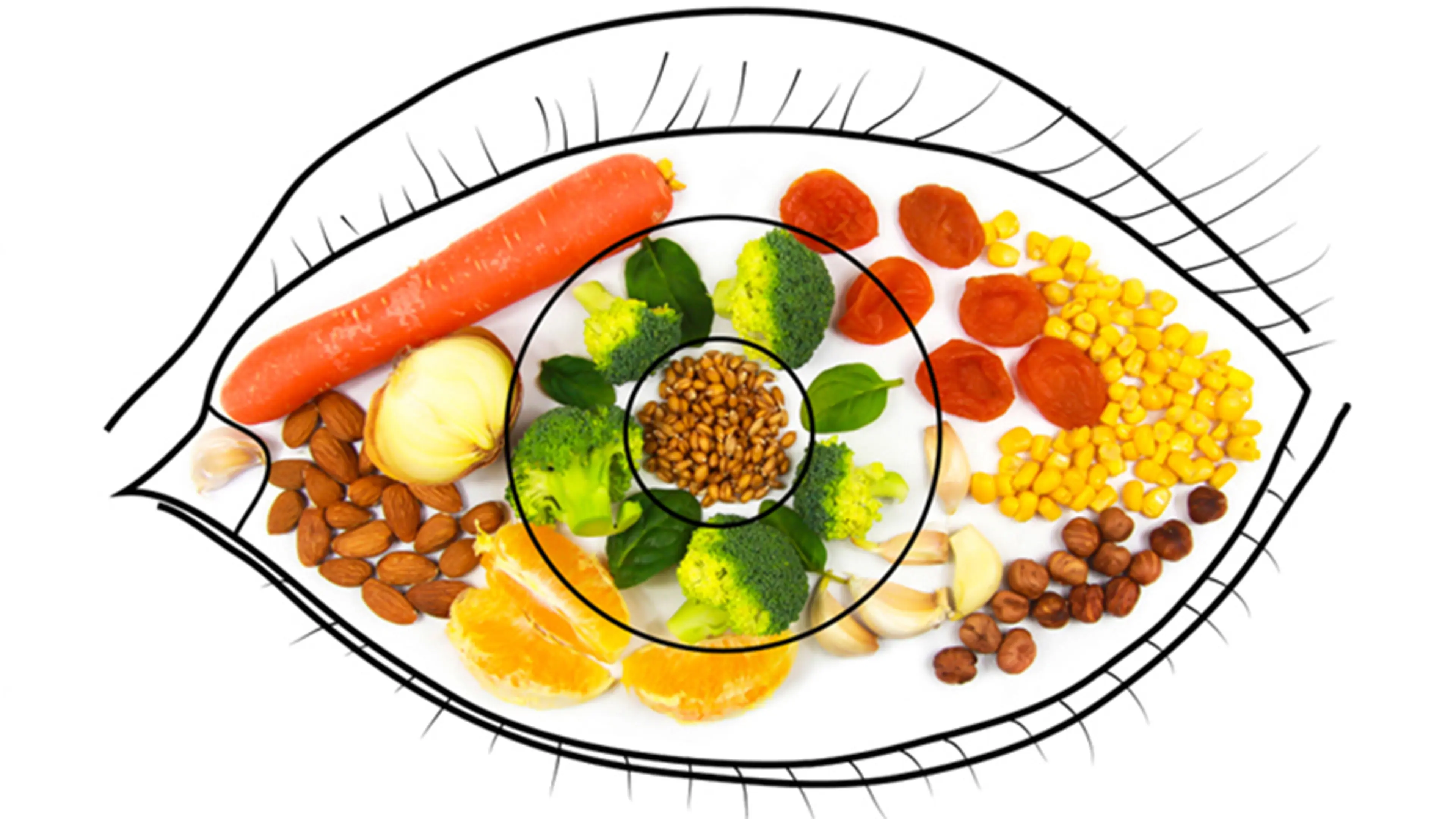
Oranges and other citrus fruits
Kiwi
Strawberries
Bell peppers
Broccoli
Spinach
These foods not only offer a great boost to your immune system but can also keep your eyes sharp and resilient to oxidative damage.
Like vitamin C, vitamin E is another powerful antioxidant that helps protect the lens of the eye from free radical damage. Studies have shown that people with higher intakes of vitamin E are less likely to develop cataracts, and that vitamin E may even slow the progression of existing cataracts.
Almonds
Sunflower seeds
Hazelnuts
Avocados
Spinach
Sweet potatoes
Including these foods in your diet not only supports eye health but can also enhance your overall well-being.
Lutein and zeaxanthin are carotenoids found in the retina and lens of the eye. They act as natural filters for harmful blue light and protect the eyes from oxidative damage. They also have anti-inflammatory properties that help maintain the integrity of the eye structures. Many studies suggest that diets rich in lutein and zeaxanthin may reduce the risk of cataract formation and slow down their progression.
Kale
Spinach
Collard greens
Corn
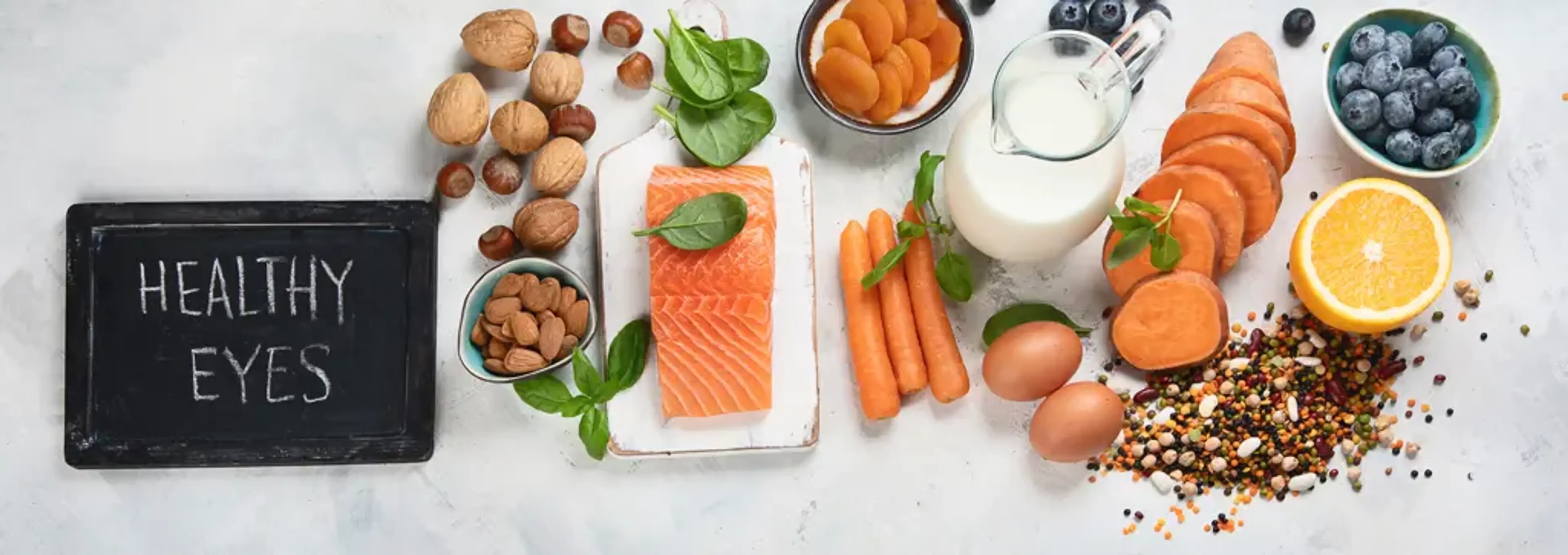
Egg yolks
Yellow peppers
For the best absorption of lutein and zeaxanthin, it’s recommended to consume these foods with a source of healthy fat, such as olive oil or avocado, which aids in the absorption of these fat-soluble nutrients.
Omega-3 fatty acids have long been recognized for their anti-inflammatory properties, but they also play a role in eye health. Research indicates that omega-3s can help prevent dry eyes and might even slow down the development of cataracts by reducing inflammation and supporting healthy blood flow to the eyes.
Fatty fish (salmon, mackerel, sardines)
Flaxseeds
Chia seeds
Walnuts
Hemp seeds
Incorporating these foods into your diet can support the health of the entire body, including your eyes.
While the above nutrients play a key role in cataract prevention, there are other vitamins and minerals that contribute to overall eye health.
While eating a nutrient-rich diet is crucial for slowing down cataract progression, lifestyle factors such as proper eye care, protecting your eyes from UV rays, and avoiding smoking can also make a big difference in maintaining healthy vision.
There is no single "magic" food that will prevent cataracts, but a diet rich in antioxidants, healthy fats, and essential nutrients can certainly help reduce your risk and slow their progression. Combining a balanced diet with lifestyle changes like regular eye exams and sun protection can help preserve your vision for years to come.
At Jryn Eye Clinic, we recommend taking a proactive approach to your eye health. Whether you are concerned about cataracts or other age-related eye conditions, our team of experts is here to guide you through personalized treatment options, including the latest surgical techniques like SMILE LASIK, to help keep your vision clear.