Home / Articles
How Cataract Surgery Changed My Life at 60
Home / Articles
How Cataract Surgery Changed My Life at 60
When you’re 60, you expect some things to change—your energy levels, your sleep, maybe even your hobbies. But what I didn’t expect was how much losing my vision would quietly steal from my everyday life. I wasn’t blind, not technically. But everything looked softer, duller, harder to decipher. I stopped driving at night. I gave up reading the morning paper because the print seemed to blur no matter how good the light. I thought this was just part of aging.
But I was wrong.
I want to share my story because I know I’m not alone. Many people over 50—especially here in Korea—delay cataract surgery out of fear, uncertainty, or the belief that it’s just not time yet. This is what happened when I finally stopped waiting and chose to see clearly again.
Cataracts don’t burst in like a storm. They arrive like morning fog—soft, slow, barely noticeable until the world around you seems permanently dimmed. In my case, the signs were easy to dismiss: colors looked washed out, night driving became stressful, and bright lights left halos that lingered in my vision. I thought I was just tired. Maybe I needed new glasses. Maybe it was just part of getting older.
That’s the trap. Cataracts aren’t painful, so they’re easy to ignore. And in Korea, where routine health checkups are a part of life, it’s surprisingly common to skip the eye exam—especially if you think your vision is “good enough.” I went years without seeing an ophthalmologist, brushing off each small decline.
But quietly, those small declines add up. I found myself avoiding night meetings. I stopped reading books that once brought me peace. I hesitated to travel because unfamiliar settings became visually overwhelming. My world was shrinking, and I didn’t realize how much until I looked back.
Looking back, fear was a big part of it. Cataract surgery sounded complicated, even dangerous. I’d heard secondhand stories—outdated procedures, poor outcomes, long recoveries. And as a Korean parent, I had another reason: I always put others first. My children needed tuition, my parents needed support. Taking care of myself felt... optional.
But here’s the truth I wish someone had told me: waiting doesn’t protect you. It just steals time.
As my vision deteriorated, I stopped seeing the little things that made life feel full—the shimmer of sunlight on the sea, the fine print of a handwritten card, the joyful chaos of my granddaughter’s drawings. I adjusted and adapted until I couldn’t anymore.
And that’s when I knew—it was time to reclaim my sight, and with it, my life.
What pushed me to act was a friend who had undergone cataract surgery at Jryn Eye Clinic in Busanjin-gu. Her experience was so positive that I decided to schedule a consultation. From the moment I stepped into the clinic, I sensed a different approach. Calm. Professional. Thorough.
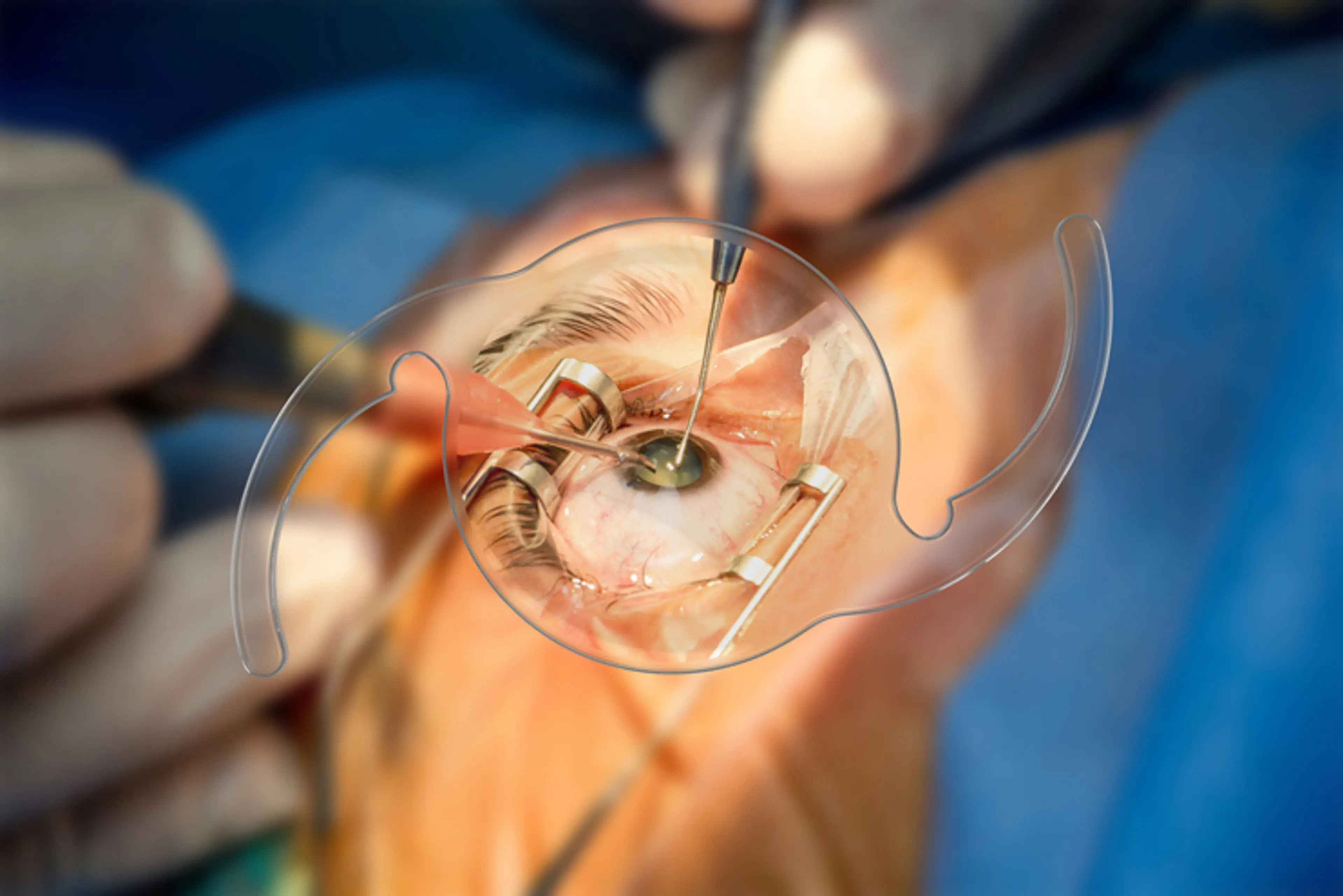
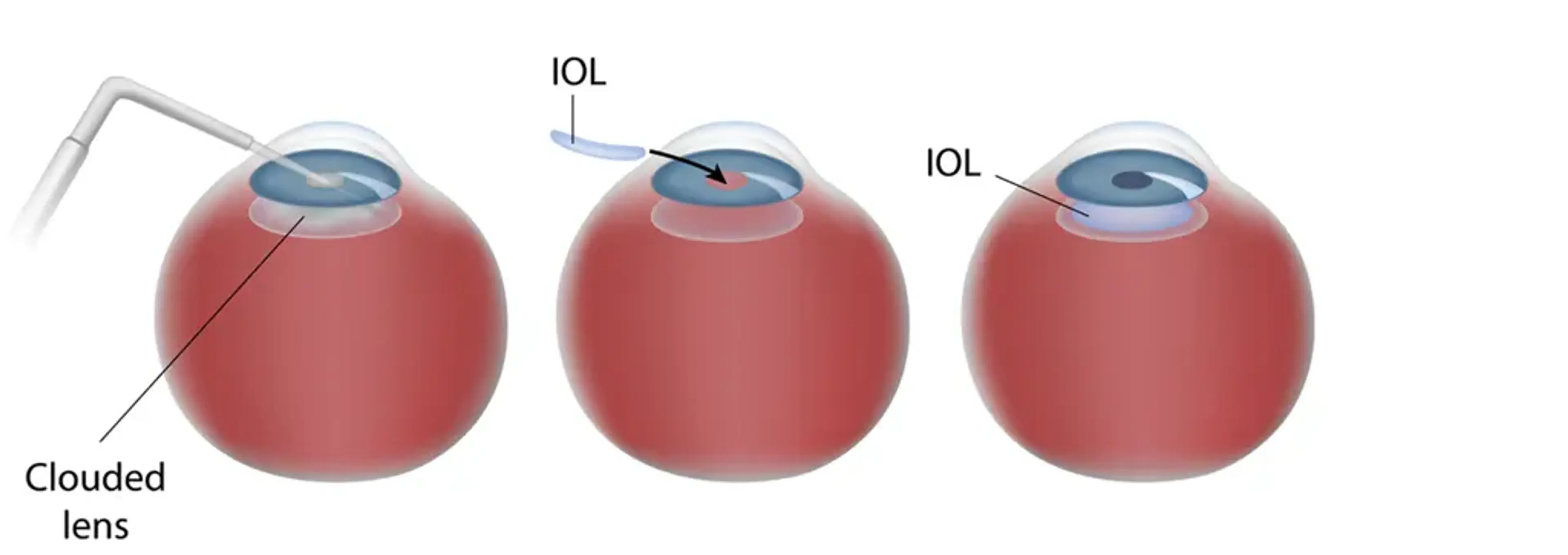
Dr. Han Sang Yeop didn’t rush through the exam. He explained everything—from the type of cataracts I had, to the surgical options available, to the different intraocular lenses (IOLs) that could suit my lifestyle. The clinic uses cutting-edge diagnostics and precision-guided systems that take into account even the tiniest details of your eye structure. I wasn’t just getting a routine fix—I was getting a personalized treatment plan.
That consultation gave me something I hadn’t felt in a while: confidence.
If you’re picturing hours in an operating room, think again. The actual procedure took less than 30 minutes. It was painless. I was awake, but calm. The technology they used was astonishing—no stitches, no long recovery.
I walked out of Jryn Eye Clinic with a protective shield over my eye and a curious feeling: the world already looked brighter.
Recovery was smooth. Within a few days, my vision sharpened dramatically. Colors popped. Text became crisp. I looked in the mirror and realized how much I had missed. There was no discomfort, just a sense of wonder—like seeing the world again for the first time.
The morning after surgery, I looked out the window and froze. I could see the ridges on the mountains across the bay. The sky wasn’t just blue—it had depth. Layers. Texture. For the first time in years, the world looked clean, focused, almost too vivid to take in all at once.
Since then, life has slowly reopened to me. I read without holding the book at arm’s length. I recognize faces from a distance. Night driving, once something I avoided entirely, feels effortless now. I don’t need to plan my day around my eyesight anymore—I just live it.
But the biggest change wasn’t logistical. It was emotional.
I started painting again—something I hadn’t done in years because I couldn’t trust my eyes to mix colors properly. I started noticing things: the way sunlight dances on my grandson’s hair, or how the trees change shades ever so slightly with the seasons. It felt like a kind of awakening, not just of vision but of presence.
There’s a certain confidence that comes back too. You walk taller when you can see clearly. You participate more fully in conversations when you’re not straining to read expressions. You start to say “yes” again—to outings, to hobbies, to life.
The truth is, I hadn’t realized how much I’d been missing. Cataract surgery didn’t just sharpen my vision—it gave me back parts of myself I’d quietly let go of.
Here’s what many people don’t know: modern cataract surgery isn’t just about removing a cloudy lens. It’s an opportunity to correct other vision issues at the same time—like astigmatism or presbyopia. With premium IOLs, some patients reduce or eliminate their dependence on glasses altogether.
Also, the earlier you address cataracts, the easier the adjustment. Waiting until your vision severely declines may make adaptation harder post-surgery. At Jryn Eye Clinic, they customize everything—from lens choice to surgical technique—based on your eyes, your needs, and your life.
Dr. Han explained to me that patients who opt for early intervention often regain a higher quality of vision than those who wait. That insight stayed with me. Clear vision isn’t just a convenience—it’s a foundation for healthy aging.
If you’re hesitating, I get it. But let me say this: cataract surgery is not something to fear. It’s something to consider carefully—with the right clinic, the right doctor, and the right support.
Don’t wait until your world dims so much that you stop noticing. There’s no medal for tolerating bad vision. There’s only lost time.
The truth is, investing in your sight is investing in your independence. In a culture where we often give everything to our families, we forget that caring for ourselves is part of caring for them.
Today, I wake up and see the world in high definition. I don’t need to fumble for glasses first thing in the morning. I can recognize faces from across the room. I can even read signs on the subway again.
But what’s changed most is not just what I see—it’s how I feel. I feel capable. Engaged. Free. And that’s why I believe more people should talk about cataract surgery not as the end of something—but as a beginning.
If you’re in your 50s or 60s and struggling with vision—even a little—don’t ignore it. Get evaluated. Ask about your options. And choose a clinic that understands the value of personalized, precision-driven care.
For me, that place was Jryn Eye Clinic. And thanks to their expertise, I got something far more than clearer sight. I got my life back in focus.