Home / Articles
How Long Before I Can Drive After LASIK?
Home / Articles
How Long Before I Can Drive After LASIK?
LASIK surgery has become a popular choice for people looking to improve their vision and reduce their dependence on glasses or contact lenses. In fact, it’s one of the most effective and reliable ways to treat refractive errors like nearsightedness, farsightedness, and astigmatism. If you’ve recently undergone LASIK or are considering it, you might be wondering how long it will take before you can return to your normal activities, particularly driving.
The ability to drive again after LASIK surgery depends on several factors, including how quickly your eyes heal and how stable your vision becomes post-surgery. While many patients are eager to get back on the road, it’s essential to prioritize your safety and your vision’s stability as you recover. In this article, we’ll walk you through what to expect during the recovery process and help you determine when it might be safe for you to drive again after LASIK.
The first 24 to 48 hours after LASIK are crucial. When you first wake up post-surgery, your vision may still be blurry or cloudy. This is normal. Your eyes are healing, and it’s essential to rest them as much as possible during this period. The chances of clear vision within the first few hours are low, and trying to drive immediately after surgery is not advisable.
Due to these factors, driving the day after surgery is not recommended. You'll likely need someone to drive you home after your procedure.
By day two after LASIK surgery, you may begin to notice improvements in your vision. However, recovery varies from person to person. Some people may have relatively stable vision after a day or two, while others might still experience mild blurriness or difficulty seeing clearly.
It’s crucial to attend your follow-up appointment within the first 24–48 hours after surgery, as your surgeon will want to check the condition of your eyes and ensure that healing is progressing as expected. During this appointment, your surgeon will give you specific advice about resuming daily activities, including driving.
By the time you reach the one-week mark after LASIK, most patients see significant improvement in their vision. However, your eyes are still healing, and some minor fluctuations in vision may occur for up to a month or longer. Driving can become safer at this stage, but it’s still important to listen to your body and your eye care provider.
During this period, you might feel more comfortable driving, but it’s crucial to be mindful of your vision, especially in challenging conditions, such as nighttime driving. Vision may still fluctuate depending on factors like dry eyes, lighting, and other individual healing factors.
It’s easy to assume that LASIK surgery is a quick fix and that you’ll wake up with perfect vision the next day. While LASIK does work wonders for many patients, it's important to remember that the recovery process takes time and patience. Vision improvement is usually noticeable almost immediately, but your eyes will still need time to fully heal and adjust. As eager as you may be to get back to normal activities, like driving, rushing through the recovery process can pose unnecessary risks.
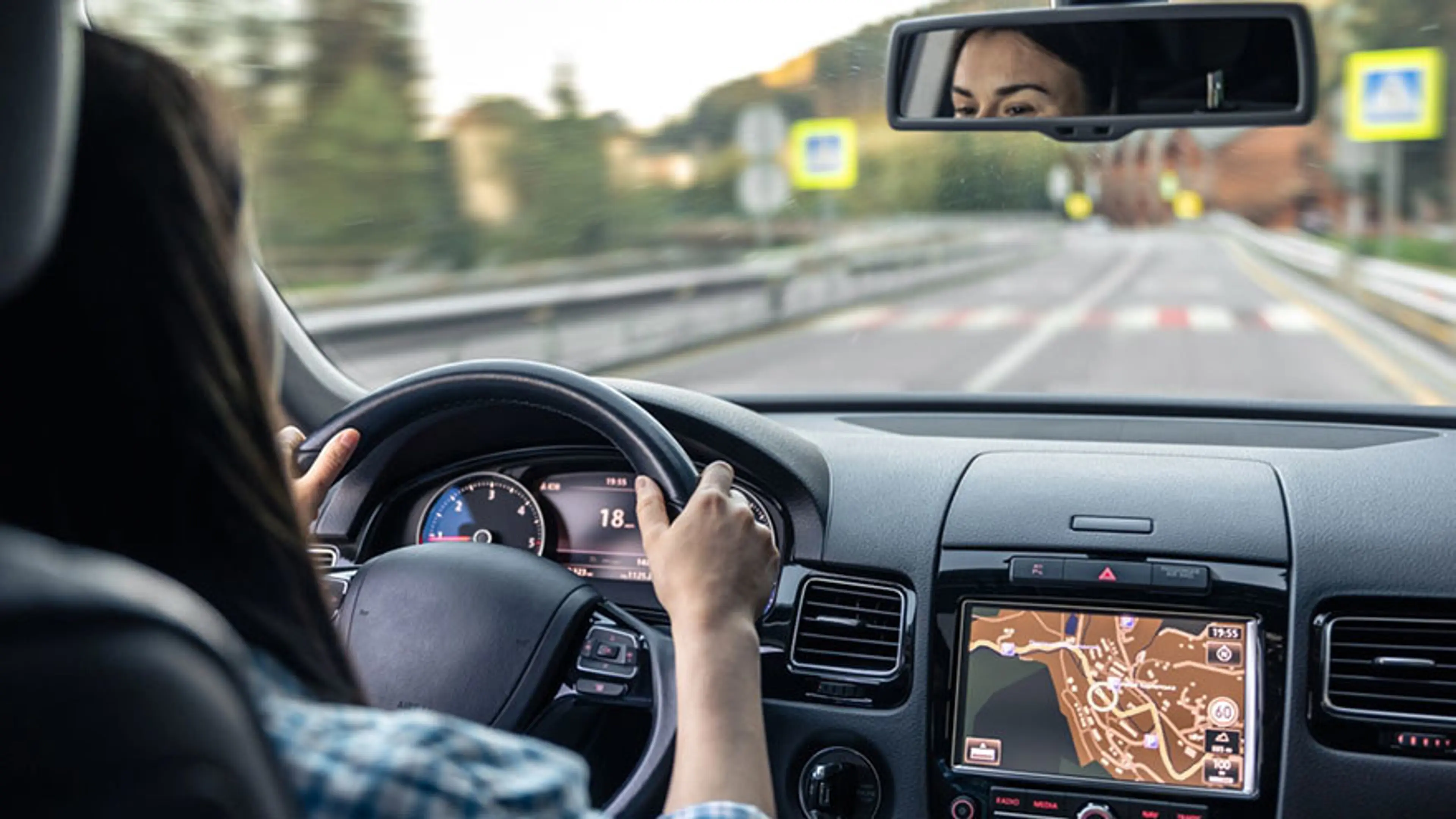
One key thing that people often overlook is that it’s not just about seeing distant objects clearly. Yes, you might notice improved distance vision soon after surgery, but driving requires much more than just clarity in the distance. You need to be able to focus on objects up close, like street signs, dashboard lights, and other cars. You also need to adjust to different lighting conditions—driving at night or in low light requires sharp contrast sensitivity, something that can still be developing in the first few days or weeks following LASIK.
Additionally, many LASIK patients experience some degree of glare or halos around lights, especially at night. This visual disturbance can make driving in the dark particularly dangerous. These symptoms, while typically temporary, can affect your ability to see clearly, react to changes in your environment, and focus on road hazards. These are all crucial skills when driving, so even if your vision seems clear in the daytime, it’s essential to assess whether it remains stable in different conditions before getting behind the wheel.
We offer thorough follow-up care to monitor your healing progress and address any concerns you may have. This includes regular appointments to check your visual acuity, evaluate the stability of your vision, and determine whether it’s safe for you to resume driving. By tracking your recovery closely, we ensure that your eyes are healing properly, and we’ll give you specific guidelines on when you can safely get back on the road.
Understanding that getting back to your normal routine is important, we take the time to help you navigate the recovery timeline and answer any questions you have along the way. Whether you’re concerned about vision fluctuations, dryness, or when it will be okay to drive, you can rely on our team for personalized guidance and support. At Jryn Eye Clinic, your vision—and your safety—are always our top priority.
The excitement of regaining clear vision after LASIK surgery is understandable, but patience is essential when it comes to resuming activities like driving. While the majority of patients can return to driving within a week or two, recovery times vary. It’s critical to follow your surgeon’s instructions, attend all follow-up appointments, and listen to your body as you recover.