Home / Articles
How Long Does EVO ICL Recovery Take?
Home / Articles
How Long Does EVO ICL Recovery Take?
When people think about vision correction surgery, they often focus on the procedure itself. But in reality, what most patients care about even more is recovery—how quickly they can return to work, how their eyes will feel, and when their vision will truly feel “normal” again.
This is especially true for patients considering EVO ICL. Many have already been told they are not ideal candidates for LASIK or SMILE due to high myopia, thin corneas, or chronic dry eye. For them, EVO ICL feels like a second chance—but also an unfamiliar one. Unlike laser surgery, the lens is placed inside the eye, which naturally raises questions and concerns.
At Jryn Eye Clinic in Busanjin-gu, Busan, we find that patients don’t want exaggerated promises or vague timelines. They want a realistic explanation—based on medical experience—of what recovery actually looks like day by day. How soon will vision improve? What sensations are normal? And how long does it take before the eyes fully settle?
This guide answers those questions clearly and honestly, drawing from real clinical experience to explain how long EVO ICL recovery takes—and what that recovery truly involves.
To understand why EVO ICL recovery feels so different, you first need to understand how fundamentally different the procedure itself is from laser vision correction. Many patients come in expecting a recovery similar to LASIK or SMILE—some discomfort, dryness, or a long period of visual fluctuation. EVO ICL simply doesn’t work that way, and there’s a clear medical reason for it.
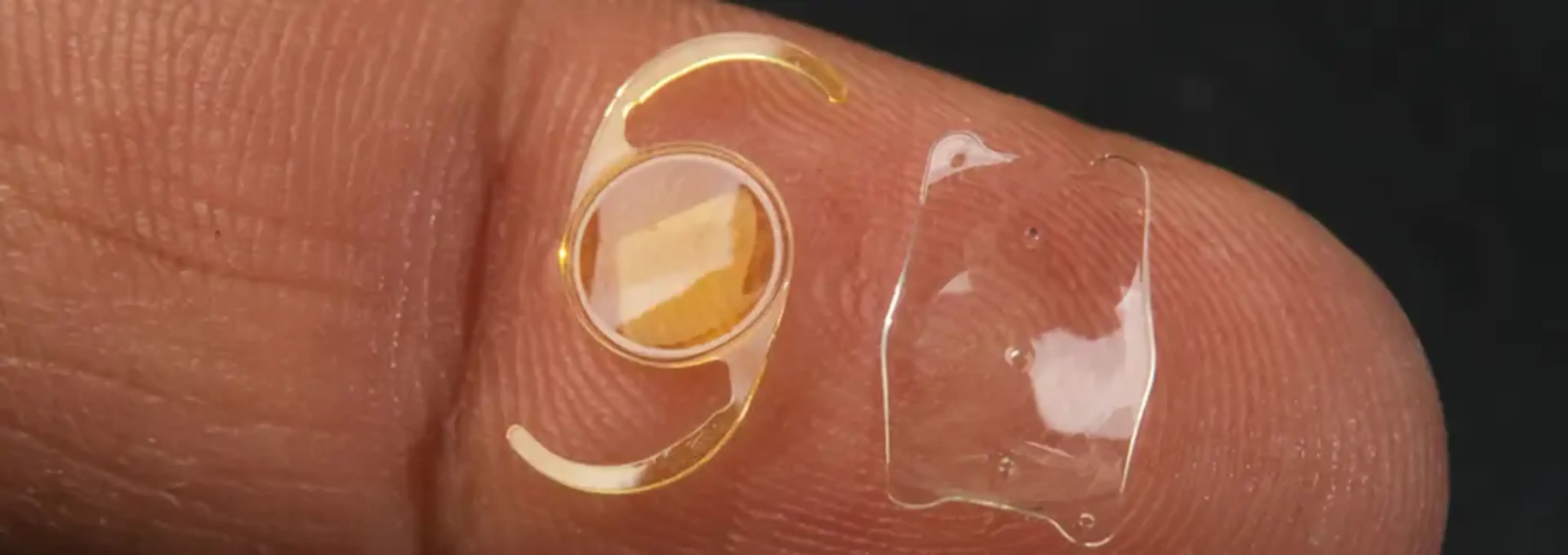
Unlike LASIK or SMILE, EVO ICL does not reshape the cornea. No laser ablation is performed, and no corneal tissue is removed. Instead, a thin, flexible Collamer lens is implanted inside the eye, positioned carefully between the iris and the natural crystalline lens. This single difference changes the entire healing process.
Because the cornea remains untouched:
Corneal nerves are preserved
The eye’s natural surface stability is maintained
Dry eye symptoms are significantly reduced
Structural healing is minimal
In laser surgery, recovery largely depends on how the cornea heals after being reshaped. In EVO ICL, recovery is not about repairing tissue—it’s about adaptation.
After surgery, the eye needs time to:
Normalize internal pressure
Settle inflammation
Adapt neurologically to the new lens
Fine-tune visual clarity in different lighting conditions
This is why many patients experience usable vision very quickly, sometimes as early as the next day, even though full stabilization takes weeks. The eye is functionally ready before it is biologically finished adjusting.
The EVO ICL procedure usually takes 15–20 minutes per eye, and it’s done under local anesthesia. There is no pain during surgery, but afterward your eyes may feel:
Slightly heavy or pressured
Sensitive to light
Watery or mildly irritated
Visually hazy, like looking through a thin fog
This can feel unsettling if you were expecting instant crystal-clear vision. But it’s important to understand: this is normal. Your eye pressure is adjusting, the pupil is recovering from dilation, and the brain is learning how to process the new lens.
Most patients go home the same day and are advised to rest, avoid screens, and keep their eyes closed as much as possible.
This is when many patients realize why EVO ICL has such a strong reputation.
At your day-one follow-up appointment, we carefully check:
Lens position
Eye pressure
Inflammation level
Overall visual clarity
For most patients:
Vision improves dramatically compared to pre-op
Reading signs, screens, and faces feels natural
Discomfort is minimal or gone
That said, your eyes are still healing internally, so activities like driving, long screen use, or intense focus are assessed individually.
This first week is when EVO ICL recovery feels most noticeable on a daily basis.
Common experiences include:
Vision becoming clearer each morning
Reduced light sensitivity
Less awareness of the eyes
Mild halos or glare at night (temporary)
Most patients at Jryn Eye Clinic:
Return to work or school within 2–3 days
Resume normal daily routines by the end of the week
Feel comfortable using digital devices in moderation
What people often overlook is that feeling “fine” does not mean healing is complete. Eye drops, follow-up visits, and protective habits are crucial during this phase.
By the second and third week, recovery becomes subtle.
You may notice:
More stable vision throughout the day
Improved night contrast
Less eye fatigue during prolonged tasks
At around one month post-op, most patients have:
Fully stabilized vision
No activity restrictions
Consistent visual quality in different lighting conditions
This is also when patients who had very high myopia often notice something unexpected—a wider, more natural field of vision compared to glasses.
From a medical perspective, this phase is about confirmation, not correction.
By this time:
The eye has completely adapted to the lens
Inflammation risk is extremely low
Lens position and eye pressure are stable
Patients no longer “think” about their vision. It simply works. This is the point where EVO ICL begins to feel less like a procedure and more like a permanent upgrade.
In most cases, no.
Patients typically describe:
Pressure rather than pain
Mild soreness on day one
Temporary dryness or awareness
From a patient comfort standpoint:
Less dry eye than LASIK
Less corneal sensitivity than SMILE
More predictable comfort for high myopia
However, EVO ICL recovery includes:
More frequent pressure checks
More structured early follow-ups
This is not a disadvantage—it’s a safety feature. EVO ICL is designed to last decades, and careful monitoring ensures it does.
Every eye is unique. Recovery may vary based on:
Degree of myopia or astigmatism
Anterior chamber depth
Pre-existing dry eye
Individual healing response
Compliance with post-op care
While complications are rare, you should contact your doctor immediately if you experience:
Sudden decrease in vision
Severe or worsening pain
Persistent redness
Strong halos with nausea
Early intervention protects outcomes.
So, how long does EVO ICL recovery take?
From a practical standpoint, most patients regain comfortable, functional vision within a few days, return to daily life within a week, and experience full visual stabilization by around one month. From a medical standpoint, however, recovery is a gradual process of adaptation—one that continues quietly as the eye adjusts to its new optical system.
What makes EVO ICL recovery feel easier than many expect is not speed alone, but stability. Because the cornea is preserved and the lens is designed to work naturally with the eye, healing tends to be predictable and gentle when the procedure is properly planned and carefully monitored.
At Jryn Eye Clinic, under the leadership of Dr. Han Sang Yeop, recovery is treated as an essential part of the treatment—not an afterthought. With over 20 years of surgical experience and a strong emphasis on personalized diagnostics and follow-up care, the focus is always on long-term visual safety, not just short-term clarity.
If you’ve been living with high myopia, uncomfortable glasses, or were told laser surgery wasn’t right for you, EVO ICL may offer a reliable path forward. The key is choosing a clinic that understands not only how to perform the surgery—but how to guide you through recovery with precision, transparency, and care.