Home / Articles
How Often Should You Get an Eye Exam in Busan?
Home / Articles
How Often Should You Get an Eye Exam in Busan?
Let’s start with a simple truth: just because your vision feels fine doesn’t mean your eyes are healthy. In Busan, we live in a dynamic city where digital life, air quality, aging trends, and academic intensity all shape how our eyes function. Yet many residents—students, professionals, even retirees—assume that unless they notice a problem, they don’t need an eye exam.
At Jryn Eye Clinic in Busanjin-gu, we see what’s hidden beneath the surface. Patients walk in expecting a prescription update, and instead we catch glaucoma in its earliest stage, detect a retinal issue before symptoms appear, or uncover dry eye that’s quietly affecting daily comfort. These are the moments that remind us: eye exams are not optional maintenance—they’re essential care.
This guide will walk you through when and why to schedule an eye exam, based on both global health guidelines and what we see every day in our Busan practice. Whether you're a parent of a child glued to a tablet, a screen-bound office worker, or someone noticing age-related changes—your eyes deserve a consistent, thoughtful care routine. And it starts with knowing the right timing.
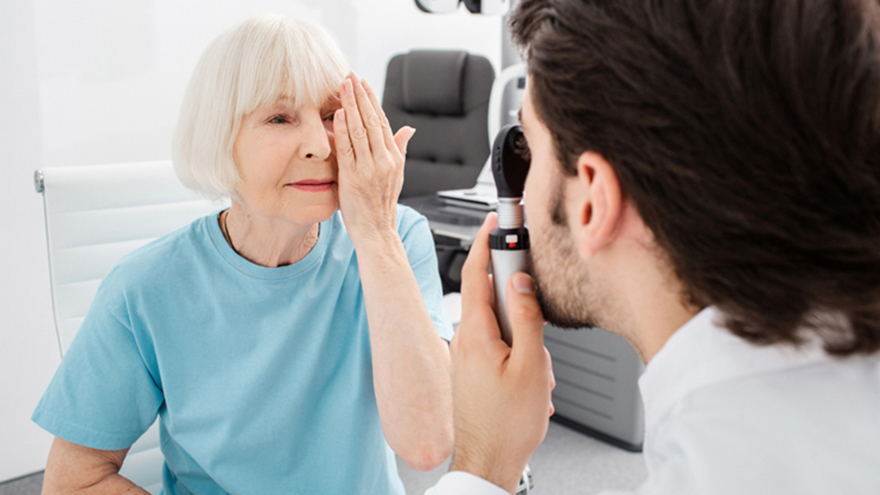
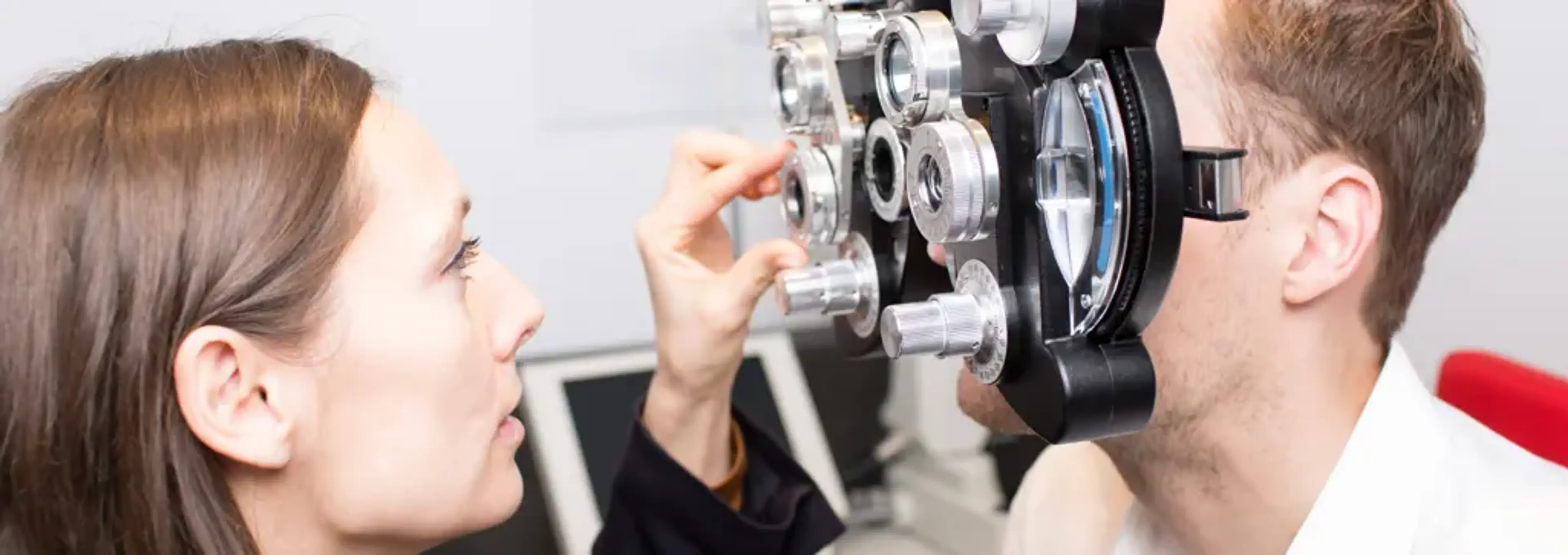
When most people think about eye exams, they picture reading letters off a wall and getting a new glasses prescription. But that’s just a small part of what a modern, comprehensive eye exam includes—especially at a clinic like Jryn Eye Clinic, where we treat the full spectrum of eye conditions, from simple refractive errors to retinal disease.
An eye exam is essentially a diagnostic scan for your entire visual system. It looks at how well your eyes see, how well they work together, and how healthy their structures are—from the tear film that covers the surface to the optic nerve deep inside. And because the eyes are connected to the brain and vascular system, an exam can also detect early signs of systemic diseases like diabetes and hypertension.
Here’s what we typically assess in a full eye exam:
We also consider your medical history, lifestyle, screen habits, and risk factors to create a tailored approach. For example, an office worker with dry eye and contact lens use will require a different plan than a diabetic patient in their 60s with early lens clouding.
The takeaway? Eye exams are diagnostic, preventive, and highly personalized. They’re about protecting not just how you see—but how your eyes stay healthy over time.
The answer depends on your age, risk factors, and lifestyle. Here's a breakdown, based on both international guidelines and our local clinical experience in Busan:
Even if your child appears to see normally, conditions like amblyopia (lazy eye), congenital cataracts, or high refractive errors may go unnoticed without early screening. Treatment outcomes are best before age 7—after that, the brain’s visual development window begins to close.
In Korea’s screen-centric education system, we see skyrocketing rates of myopia. Children are exposed to close-up tasks from an early age—digital textbooks, cram schools, smartphone use—which puts constant strain on their focusing system.
Annual exams help us detect changes early and offer interventions like:
Orthokeratology (Ortho-K lenses)
Low-dose atropine therapy
Specialty glasses to slow myopia progression
We also assess binocular vision—how well the eyes work together—which can affect concentration and academic performance.
This group is the most likely to delay exams, yet they often struggle silently with:
Digital eye strain
Dry eye symptoms from air conditioning or prolonged screen use
Contact lens intolerance
Early signs of keratoconus or retinal thinning (especially in high myopes)
In our clinic, we often discover subtle corneal changes, preclinical dry eye, or undiagnosed astigmatism that’s been causing fatigue or headaches.
You wear glasses or contacts
You have a family history of glaucoma or diabetes
You’ve started experiencing presbyopia (difficulty focusing up close)
This is when presbyopia sets in. People begin to hold books farther away, struggle with reading menus, or increase font sizes on their phones. It’s natural—but it also signals deeper changes in the lens and focusing ability.
We also start seeing the first signs of cataracts and retinal issues in this age group. Monitoring these trends helps us plan treatments like SMILE LASIK, EVO ICL, or even early cataract surgery at the right moment.
Glaucoma
Macular degeneration
Cataracts
Diabetic eye disease
This is the most vulnerable group. Age-related eye conditions can affect independence, mental clarity, and even safety. Vision loss is strongly linked to falls, depression, and cognitive decline.
Our clinic focuses on:
Cataract evaluation and timing for surgery
Glaucoma pressure control and field monitoring
Retinal imaging to track degeneration or vascular changes
Managing dry eye, which becomes chronic and symptomatic in this age group
Some patients see us more frequently to monitor complex cases, adjust treatments, or receive postoperative care.
Regardless of age, schedule an eye exam right away if you experience:
Sudden vision loss or blurriness
Eye pain or redness
Flashes of light or new floaters
Persistent headaches or eye strain
Double vision
Difficulty seeing at night or with glare
These can signal retinal detachment, inflammation, nerve issues, or acute glaucoma—all of which require prompt care to preserve vision.
Living in Busan introduces unique eye stressors:
It’s not just theory. It’s what we see daily in our clinic. Patients living near major roads report more redness and eye fatigue. Students prepping for Suneung exams often have worsening vision due to long study hours. Seniors delay cataract surgery until driving becomes difficult or unsafe.
That’s why our exam schedules are tailored not only to your age—but to how you live.
As a leading vision correction center in Busan, we focus on:
We also offer:
Dry eye treatment plans using thermal pulsation, IPL, and lid hygiene protocols
Myopia control programs for children
Presbyopia solutions from multifocal lenses to blended vision LASIK
Pre- and post-surgical care with close follow-up
We don’t just update prescriptions—we build long-term eye health strategies.
If you can’t remember your last eye exam, it’s probably time.
Vision isn’t just about clarity—it’s about confidence, safety, and comfort. At Jryn Eye Clinic, we believe your eyes deserve proactive care. Not just when something feels wrong, but while everything still feels right.
A good eye exam gives you more than a prescription. It gives you peace of mind, a path forward, and a relationship with a team that sees beyond symptoms.
Whether you're a student preparing for long nights of study, a parent managing your child’s screen time, a professional facing daily screen exposure, or a retiree who wants to keep driving safely—your eyes need regular care.