Home / Articles
How to Care for Your Eyes After Cataract Surgery
Home / Articles
How to Care for Your Eyes After Cataract Surgery
Cataract surgery is one of the most frequently performed procedures in the world today, particularly for individuals over the age of 60. It’s a transformative treatment that can dramatically improve your vision, restoring clarity that may have been lost to the cloudiness caused by cataracts. However, as with any surgery, the care you take after the procedure plays a significant role in determining your recovery and long-term outcomes. If you’ve recently undergone cataract surgery or are considering it, understanding the essential steps for proper aftercare is crucial.
In this guide, we’ll walk you through everything you need to know about how to care for your eyes after cataract surgery, including the best practices for recovery, what to expect during the healing process, and when to seek medical attention if something goes wrong.
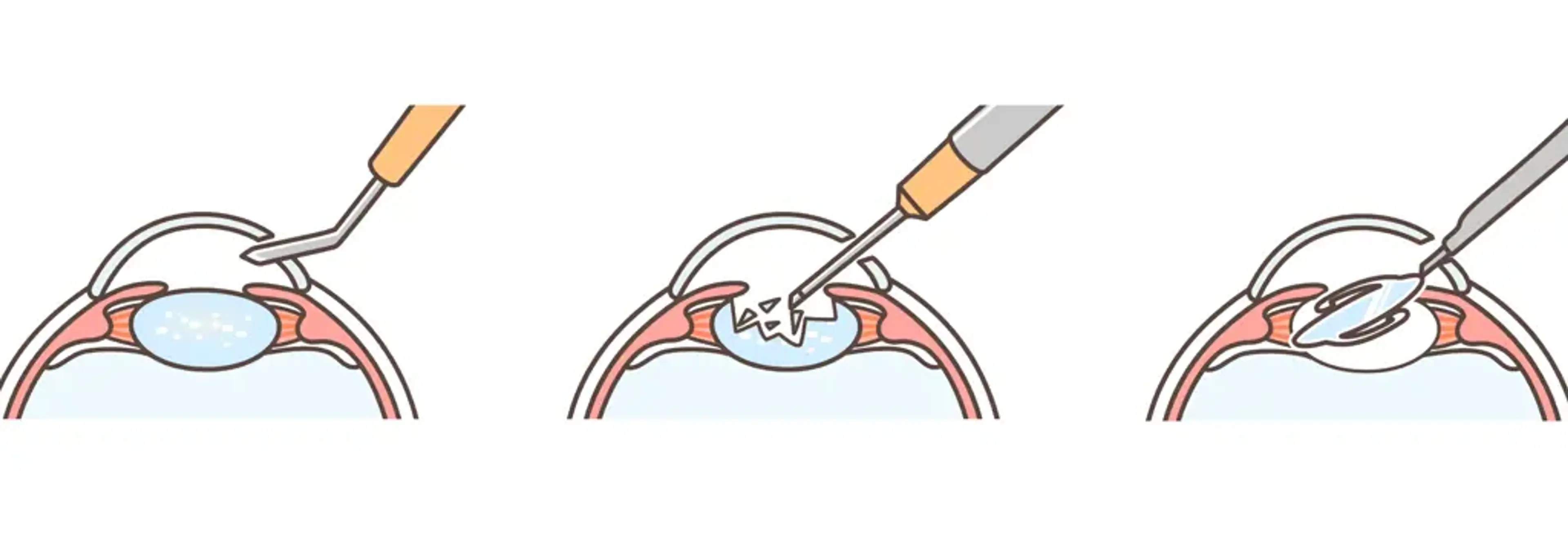
Before diving into aftercare, let’s quickly review what happens during cataract surgery. During the procedure, the cloudy natural lens of the eye (the cataract) is carefully removed and replaced with an artificial lens called an intraocular lens (IOL). This new lens restores the ability to see clearly, without the cloudiness caused by the cataract.
Cataract surgery is usually performed on an outpatient basis, meaning you can go home the same day. The surgery itself is quick, typically taking about 15 to 30 minutes, and most patients feel little to no discomfort. Afterward, though, your eye will need time to heal, and this is where following post-surgery care guidelines is essential to achieving optimal results.
Good aftercare is essential to ensuring that your eyes heal properly and that you get the best possible outcome from your cataract surgery. Many people don’t realize how crucial this phase is, but it’s just as important as the surgery itself. Proper care can minimize complications, reduce the risk of infection, and help your eye adjust to the new lens without unnecessary stress.
By adhering to your doctor’s advice and avoiding certain activities, you’ll significantly improve the chances of a smooth recovery and enjoy long-term, improved vision. Let's break down the most important aspects of post-cataract surgery care.
After cataract surgery, your doctor will likely prescribe eye drops to prevent infection and reduce inflammation. These medications are vital for a smooth recovery and should be used as prescribed. Antibiotic eye drops help reduce the risk of infection, while anti-inflammatory drops will help reduce swelling and discomfort.
At Jryn Eye Clinic, Dr. Han Sang Yeop emphasizes the importance of adherence to these medications. “Patients often feel better and may think they don’t need the drops anymore, but skipping doses can result in complications,” he explains. Take your medications exactly as directed, and don't miss a dose—even if you feel fine.
One of the most important steps in the early recovery period is protecting your eye while you sleep. Your doctor will likely provide you with a protective eye shield to wear at night. This shield prevents you from accidentally rubbing or putting pressure on your healing eye. While it may feel uncomfortable at first, it’s essential for keeping your eye safe while you sleep and ensuring that you don’t disrupt the healing process.
It’s also a good idea to wear sunglasses when you go outside during the day, especially in the first few weeks post-surgery. The increased sensitivity to light can be uncomfortable, and sunglasses help protect your eye from harmful UV rays and reduce glare.
While you might feel like getting back to your regular routine, it’s essential to avoid heavy lifting, bending over, or strenuous activities for at least two weeks after your surgery. Activities that increase eye pressure can interfere with your healing and even cause complications.
Even though it might be tempting, avoid activities like running, swimming, or intense exercise. Dr. Han advises his patients to take it easy and limit high-impact movements. "Think of it like giving your eye the best environment to heal—slow, steady recovery is far more important than rushing back to daily routines," he says.
In the age of smartphones, computers, and televisions, limiting screen time might feel difficult, but it’s essential for reducing eye strain during recovery. Prolonged use of digital devices can irritate the eyes, especially when they’re healing. The natural instinct to blink is often diminished when you’re staring at screens, which can lead to dryness and discomfort—an issue many cataract surgery patients face post-op.
Take breaks from digital screens and practice the 20-20-20 rule: every 20 minutes, look at something 20 feet away for 20 seconds. This simple habit can help reduce eye fatigue and promote healing.
Many people experience dry eyes after cataract surgery due to changes in the tear film or the reduced blink rate. If you’re dealing with dryness, lubricating eye drops are your best friend. Be sure to use only the prescribed drops, as some over-the-counter drops may not be suitable for post-surgery use.
In addition to eye drops, Dr. Han often recommends keeping your environment moist by using a humidifier, especially if you live in a dry climate or use air conditioning frequently. "Keeping your eyes hydrated aids in reducing discomfort and promotes healing," he notes.
While swimming and soaking in hot tubs may be relaxing, it's important to avoid these activities for at least a few weeks after cataract surgery. Pools and hot tubs can harbor bacteria, which could increase your risk of developing an eye infection. Even though the risk is low, it's best to wait until your eye is fully healed before exposing it to potentially contaminated water.
Regular follow-up visits to your ophthalmologist are essential for tracking your recovery progress. During these appointments, your doctor will check for any signs of infection, inflammation, or other complications. These visits help ensure that your eye is healing as expected and provide an opportunity to address any concerns you may have.
At Jryn Eye Clinic, Dr. Han is committed to ensuring that each patient receives individualized attention. "Many people assume that once the surgery is done, everything is fine," he says. "But those follow-up visits help us catch any potential issues early, and we can adjust your care accordingly."
While cataract surgery is generally safe, there are certain warning signs you should be aware of. If you experience any of the following, it’s important to seek immediate medical attention:
Significant vision loss or a sudden decrease in vision
Persistent or severe pain in the eye that doesn’t respond to pain medication
Redness or swelling around the eye
Excessive discharge or crusting around the eyelids
Increased light sensitivity or new floaters or flashes of light
If you notice any of these symptoms, it’s crucial to contact your ophthalmologist right away. Early intervention is key to preventing long-term complications.
Caring for your eyes after cataract surgery isn’t just about following a set of instructions; it’s about taking an active role in your recovery and ensuring that your new lens is given the best possible environment to heal. By following these essential aftercare guidelines—along with regular check-ups—you’ll help ensure that your vision improves and remains clear for years to come.