Home / Articles
How to Care for Your Eyes After ICL Surgery
Home / Articles
How to Care for Your Eyes After ICL Surgery
Clear vision changes everything. For patients who undergo Implantable Collamer Lens (ICL) surgery, the world often feels brand new—sharper, brighter, and more detailed than they remembered. At Jryn Eye Clinic in Busanjin-gu, Busan, we see this transformation every day. Patients who once depended on thick glasses or dry, uncomfortable contact lenses suddenly discover a new kind of freedom.
But what people sometimes overlook is that the surgery itself is just the beginning. The days and weeks afterward—how you rest, protect, and care for your eyes—play a defining role in how successful the procedure will be for decades to come. Recovery isn’t just about avoiding complications; it’s about giving your eyes the best possible environment to adjust, stabilize, and thrive with their new lenses.
This guide will walk you through each stage of ICL aftercare, from the first 24 hours to the long-term habits that keep your vision safe. It’s based on both medical expertise and real-world experience with patients right here in Korea, where daily routines, environment, and culture bring unique challenges to eye health.
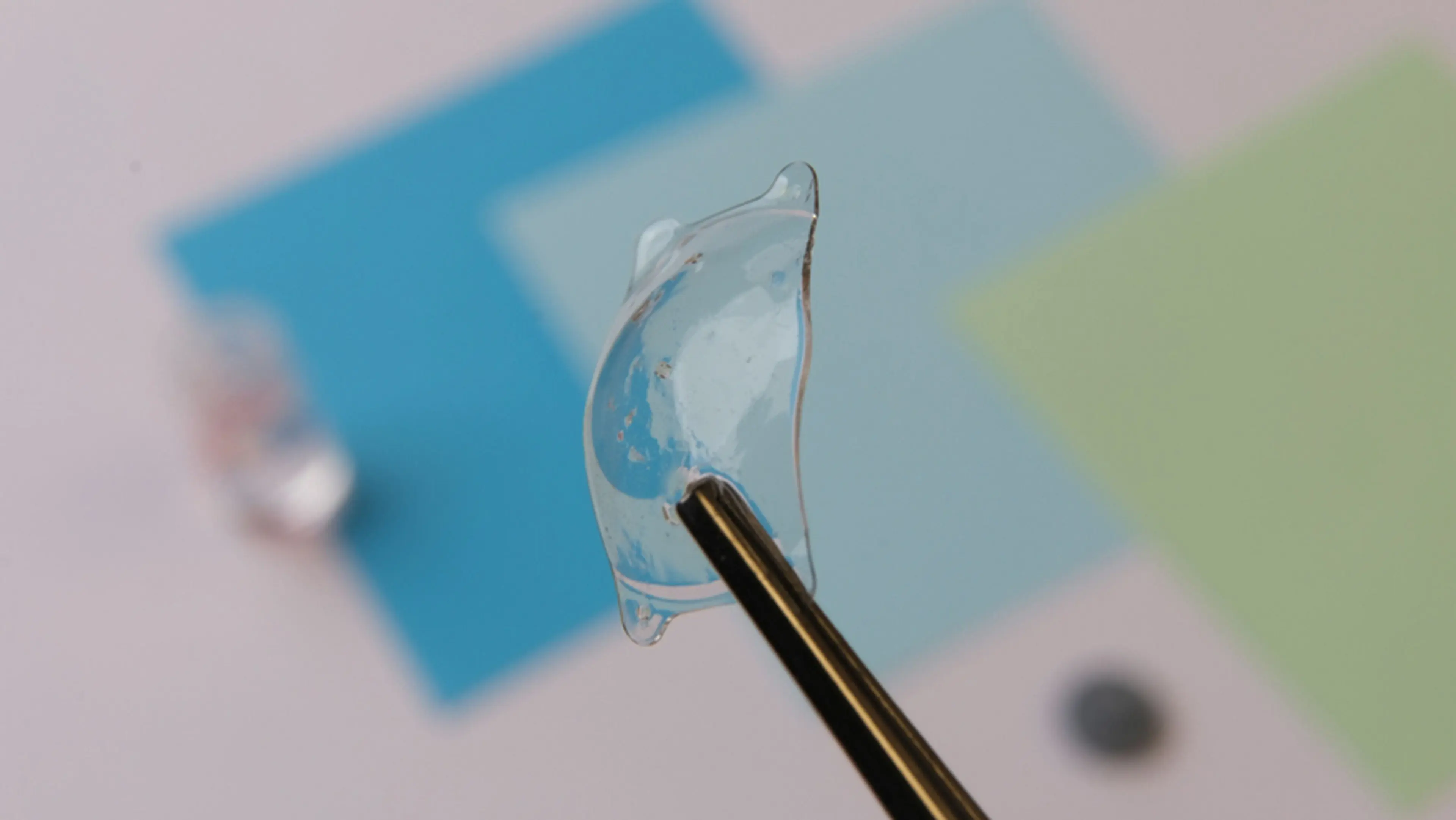
ICL is unique. Unlike LASIK, which reshapes the cornea, ICL places a tiny, biocompatible lens inside your eye—behind the iris and in front of your natural lens. You don’t feel it. You don’t see it. But it’s there, quietly working to correct your vision.
Because it becomes part of your eye, aftercare is not simply about comfort—it’s about integration. The eye needs time to adapt to this new structure, to stabilize pressure, and to heal from the tiny incision made during the procedure.
At our clinic, we often use the analogy of planting a new tree. The planting itself is quick and decisive, but the weeks afterward—watering, protecting from wind, and letting the roots settle—determine whether the tree grows strong or fragile. The same principle applies to ICL. The surgery sets the stage, but your aftercare shapes the outcome.
The first two days after ICL are the most delicate. Most patients are surprised at how comfortable they feel—many report almost no pain. But even if the eyes feel “normal,” they are still in the earliest stages of recovery.
By the end of the first week, most patients at Jryn Eye Clinic report clear, stable vision. Many return to work, classes, or daily routines. But this is also when overconfidence is dangerous.
By the one-month mark, most patients feel as though they’ve been living with their ICLs for years. Vision is sharp, and the eyes feel natural. But there are still important milestones in this phase.
After a few months, most patients say they forget their ICLs are even there. The lenses feel invisible—no sensation, no awareness, just clear vision. But like any medical treatment, the best results come from mindful, long-term habits.
Recovery isn’t only physical—it’s emotional. Patients who have worn glasses since childhood often find themselves overwhelmed by the sudden clarity. Some describe the world as “too sharp” at first, needing time to adjust to their new reality.
We’ve witnessed unforgettable moments at Jryn Eye Clinic. A young man once told us he cried when he looked out over the Busan skyline from Gwangan Bridge at night—each light distinct, no blur softening the edges. A mother shared the joy of reading her child’s bedtime story without bringing the book close to her face.
These stories remind us that eye surgery is not just a medical procedure. It’s deeply personal. It reshapes not only how patients see the world but also how they experience it.
The vast majority of ICL recoveries are smooth. But if you ever experience any of the following, it’s important not to wait:
A sudden, sharp loss of vision
Severe or persistent pain
Redness spreading quickly across the eye
Extreme sensitivity to light
Flashes of light or sudden floaters
These symptoms are rare, but when they do appear, they require urgent attention. In ophthalmology, timing is critical—prompt care can make the difference between a temporary setback and a lasting complication.
The beauty of ICL is not only in the surgery itself but in what follows—the quiet transformation as your eyes adjust and your life changes. For most patients, the recovery is smooth, and before long the memory of glasses or contacts feels distant. But the quality of your long-term vision rests on the small choices you make during recovery: using drops faithfully, protecting your eyes from strain, and showing up for follow-ups.
At Jryn Eye Clinic, we see this process as a partnership. Our job is to provide safe, precise surgery and attentive follow-up. Your role is to nurture your eyes through mindful aftercare. Together, these steps ensure your vision stays clear and stable for decades to come.
If you’ve been considering ICL—or if you’re preparing for recovery—remember this: the surgery may be over in half an hour, but the care you give your eyes afterward is what allows you to truly enjoy the freedom of clear sight.