Home / Articles
Is Laser Cataract Surgery Really Painless?
Home / Articles
Is Laser Cataract Surgery Really Painless?
Let’s pause here, because this isn’t just a technical or medical question. It’s deeply personal. When a patient asks, “Is it going to hurt?” what they’re really asking is:
Will I be okay?
Can I trust this procedure?
Am I making the right decision for my health and future?
In our culture, where aging parents are cared for with deep respect and many families are intergenerational, the decision to undergo cataract surgery is often discussed not just with a doctor but with family members. People want to be sure—not only that it’s safe, but that it’s not going to be traumatizing.
Some patients carry with them past experiences with painful dental work, traumatic childhood surgeries, or even just the memory of a family member who had a complicated recovery. Fear of the unknown is a powerful thing, and it's our job as ophthalmologists to replace that fear with clarity.
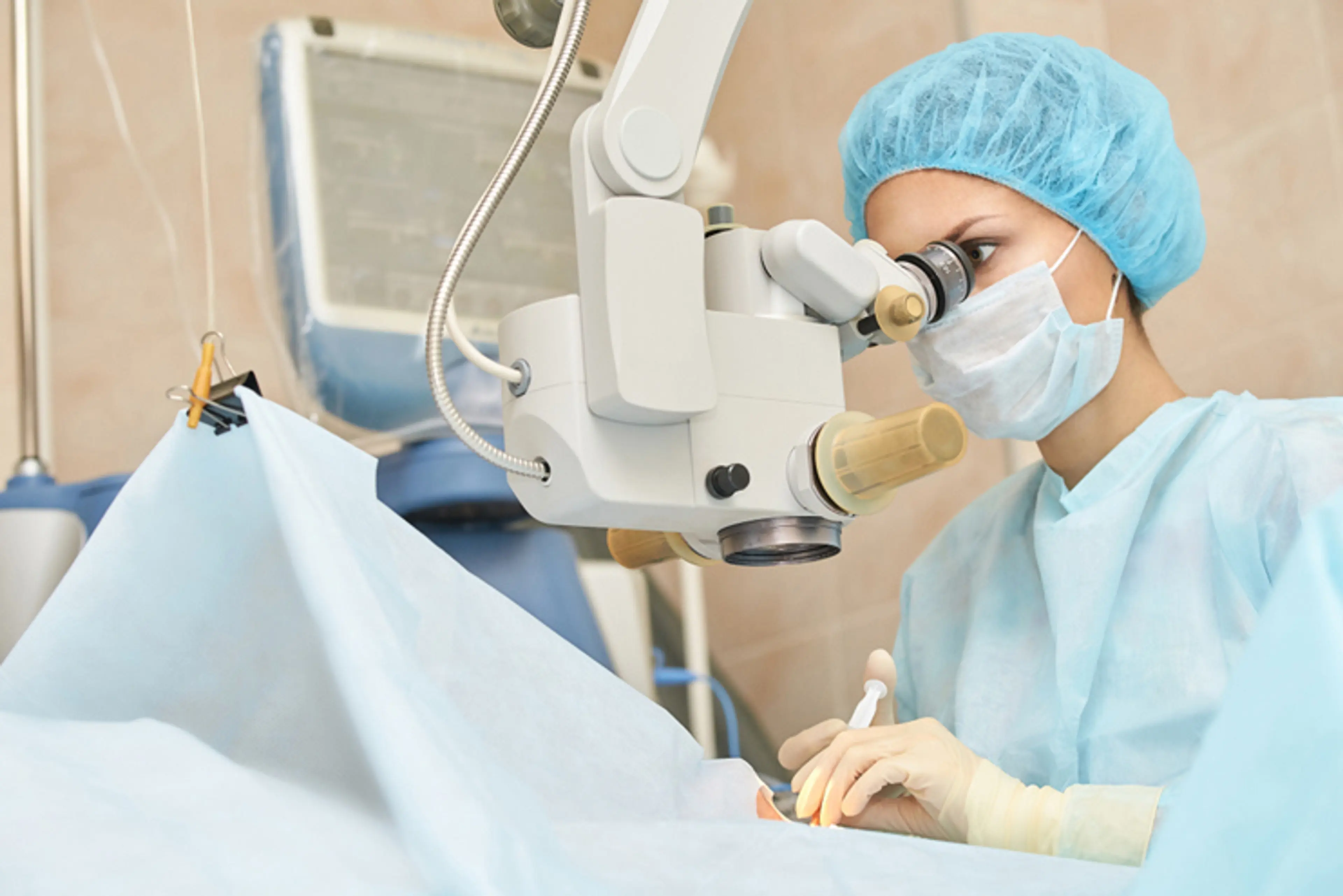
Cataracts are a clouding of the eye’s natural lens, leading to blurry vision, glare, and eventually, significant visual impairment. Surgery is the only way to correct it, and today’s gold standard is laser-assisted cataract surgery. Unlike traditional methods that use handheld blades, laser systems like LenSx or Catalys allow for micrometer-level precision using femtosecond lasers. These lasers create incisions and soften the cataract, allowing for gentler removal and safer outcomes.
At Jryn Eye Clinic, we use advanced image-guided systems to create a real-time map of your eye, ensuring every step is personalized. This not only improves results—it also enhances comfort. Our technologies are carefully selected for their accuracy, and our surgical techniques are refined through decades of experience.
Laser cataract surgery has revolutionized the way we approach lens replacement. It reduces the amount of energy needed to break up the cataract, which means less inflammation, less swelling, and a quicker recovery. In terms of comfort, this is a major breakthrough.
The short answer: For most patients, yes, laser cataract surgery is virtually painless. But let’s break down what that really means.
A sense of light pressure
Coolness from rinsing fluids
Bright lights or colors that resemble fireworks or sunlight underwater
No cutting sensations. No sharp discomfort. And no need for general anesthesia. This is important for older patients with other health conditions who cannot tolerate full anesthesia.
And perhaps more importantly, most patients describe the surgery as emotionally painless too. That is, the experience is so smooth and calm, they walk away feeling reassured, not traumatized.
Several factors contribute to the comfort of the procedure:
Before anything begins, special eye drops numb the surface of your eye. There are no injections around the eye, and no stitches are required post-surgery. This alone eases much of the fear.
You remain awake but are given mild oral or IV sedation. You’re not unconscious, but deeply relaxed. Many patients report not remembering the procedure at all.
Laser systems reduce the need for ultrasonic energy, which means less physical manipulation inside your eye. Less trauma means less discomfort during and after surgery.
The laser portion of the surgery takes only a few minutes. The entire process from check-in to check-out is typically around two hours, and most patients are home resting that same afternoon.
A calm, confident surgical team can greatly influence your perception of comfort. Our staff is trained not just in technique, but in communication, empathy, and support throughout the entire experience.
It’s hard to describe because everyone’s experience is a little different, but here’s what patients at our clinic commonly say:
“It felt like a light show inside my eye.”
“I was waiting for the pain, but it never came.”
“I barely noticed it was happening.”
Many patients also describe a feeling of surreal calmness, especially under light sedation. Some even find the experience fascinating. It’s not unusual to hear someone say, “That was way easier than getting a dental filling.”
Some people report feeling a gentle pressure, similar to having a contact lens put in. Others feel nothing at all. The most consistent comment? That it was over before they realized it had begun.
Recovery from laser cataract surgery is usually smooth. Here’s what you might notice:
Mild dryness or a gritty feeling for a day or two
Temporary blurriness as your eye adjusts to the new lens
Some light sensitivity
At Jryn Eye Clinic, we provide customized post-op care instructions and follow-up schedules to ensure that healing goes smoothly. Patients also receive lubricating drops and anti-inflammatory medications to reduce any minor discomfort. Most resume daily activities such as reading, walking, or even light housework within 24–48 hours.
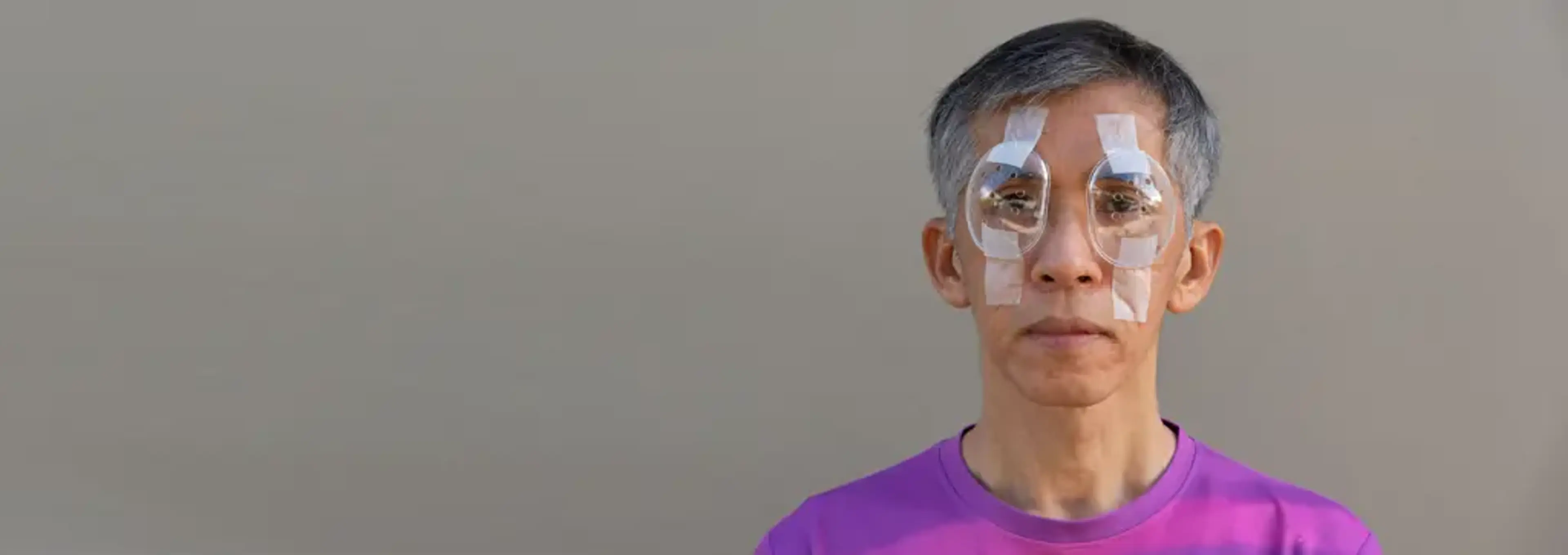
In some cases, especially for patients with pre-existing dry eye or retinal issues, we implement a tailored recovery plan that includes extra hydration therapies or ocular surface treatments. We also provide protective eyewear and stress the importance of avoiding eye rubbing or strenuous activity for a few days.
Follow-up visits are crucial. We monitor healing closely using slit-lamp exams and visual acuity tests to make sure you’re progressing well. If there's even a hint of discomfort or delay in healing, we address it immediately.
Yes, occasionally. While rare, some patients may feel more pressure or sensitivity during certain steps, especially those with dense cataracts or complex eye anatomy. But with a skilled surgeon like Dr. Han Sang Yeop, who has over 20 years of experience, these cases are managed with extra care and customized sedation levels.
In such cases, we prepare ahead of time. We evaluate your complete ocular history, previous surgeries, medications, and even your anxiety level. We don’t believe in one-size-fits-all care. That’s why our surgical team is trained to adapt every case to the patient’s comfort.
We also use advanced pain-scoring and monitoring systems to ensure that patients remain relaxed throughout the procedure. Post-op care includes checking corneal clarity, intraocular pressure, and inflammation levels.
Laser technology is only as good as the hands guiding it. A machine can’t make judgment calls—your surgeon can. At Jryn Eye Clinic, we don’t just rely on technology. We pair it with clinical judgment, detailed diagnostics, and one-on-one consultation to ensure your surgery is safe, effective, and truly comfortable.
In Korea’s medical system, where patients often seek second opinions and value precise, transparent care, it’s crucial to choose a clinic that aligns with those values. Our clinic in Busanjin-gu has built a reputation not only for outcomes, but for the way we treat people: with warmth, clarity, and patience.
We often see patients who’ve delayed surgery for years out of fear. And they almost always say the same thing afterward: *"I wish I had done this sooner."
It’s normal to feel anxious. You’re not alone. But the good news is that laser cataract surgery today is safer, faster, and more comfortable than ever. For most patients, it’s a pain-free journey that restores vision and quality of life.
If you’ve been struggling with blurry or dim vision, and wondering if surgery is too scary or painful—talk to a specialist. Ask your questions. Get clear answers. Do it on your own timeline, but don’t wait too long. Vision is quality of life.
At Jryn Eye Clinic, we’re here to guide you, not pressure you. Schedule a personalized cataract consultation, and we’ll walk you through your options step by step. We’ll show you the technology, explain every step, and make sure you leave feeling confident, not confused.