Introduction
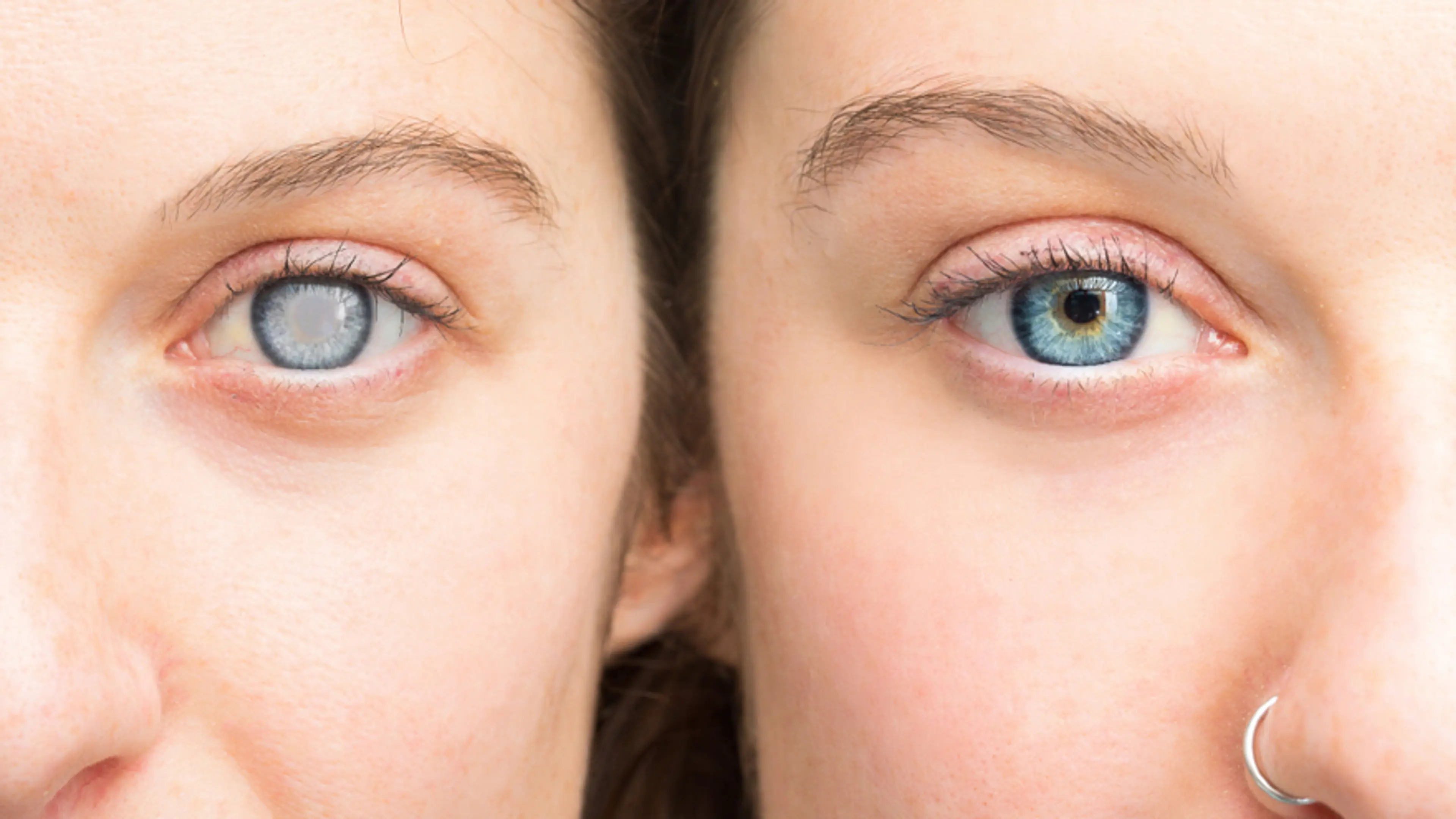
introductionFinding out that your vision is worsening after a successful refractive surgery can be overwhelming. This condition, known as corneal keratectasia, occurs when the cornea becomes thin and begins to bulge outward, causing distorted vision. However, modern medical advancements have made it possible to stabilize the eye and even restore visual clarity. Understanding
Keratectasia Treatment Before and After Results is essential for anyone looking to stop the progression of this condition and regain their quality of life. Whether the cause is genetic or a rare complication from a previous procedure, specialized treatments in leading medical hubs like South Korea offer hope and high-precision care.
What Is Keratectasia and Why Does It Happen?
what-is-keratectasia-and-why-does-it-happenKeratectasia is a condition where the structural integrity of the cornea is compromised. The cornea is the clear, dome-shaped surface of your eye. When it thins, the internal pressure of the eye causes it to bulge forward into a cone-like shape.
This condition is most commonly seen in two scenarios:
The goal of treatment is not just to improve vision, but to strengthen the corneal tissue to prevent further bulging. Modern treatments focus on reinforcing the collagen fibers within the eye to lock the cornea in a safer, more stable shape.
Understanding Keratectasia Treatment Before and After Results
understanding-keratectasia-treatment-before-and-after-resultsWhen patients evaluate Keratectasia Treatment Before and After Results, it is important to distinguish between vision correction and corneal stabilization. The primary goal of most ectasia treatments is to stop the eye from getting worse.
Life Before Treatment
life-before-treatmentBefore undergoing treatment, patients often experience:
Significant ghosting or double vision.
Frequent changes in eyeglass prescriptions.
Sensitivity to light and glare, especially at night.
An inability to achieve sharp vision even with standard contact lenses.
Life After Treatment
life-after-treatmentAfter successful intervention, such as Corneal Cross-linking (CXL) or Intacs, the results are often life-changing:
Stability: The cornea stops thinning and bulging.
Improved Fit: Patients find it much easier to wear specialized contact lenses (like Scleral lenses).
Reduced Distortion: While some patients may still need glasses, the severity of ghosting and light sensitivity typically decreases significantly.
Prevention of Transplant: Most importantly, early treatment prevents the need for a full corneal transplant in the future.
Key Treatment Options for Keratectasia
key-treatment-options-for-keratectasia
Several procedures are available depending on the severity of the thinning. In many cases, a combination of these treatments provides the best outcome.
Corneal Cross-linking (CXL)
corneal-cross-linking-(cxl)This is the gold standard for treating keratectasia. During CXL, riboflavin (Vitamin B2) drops are applied to the eye, followed by controlled exposure to ultraviolet (UV) light. This process creates new chemical bonds between corneal collagen fibers, effectively stiffening the cornea.
Intacs (Corneal Inserts)
intacs-(corneal-inserts)Intacs are tiny, clear plastic arcs that are surgically inserted into the periphery of the cornea. They act like structural supports, flattening the central bulge and making the corneal surface more regular.
Topography-Guided PRK
topography-guided-prkIn some cases, a specialized laser treatment can be used alongside cross-linking to smooth out irregularities on the corneal surface, further improving visual acuity.
Safety Profile and Potential Risks
safety-profile-and-potential-risksEvery medical procedure carries some level of risk. However, treatments for keratectasia are considered very safe when performed by experienced specialists using the latest ultrasound and laser technology.
Temporary Haze: Some patients may experience a slight cloudiness in their vision shortly after cross-linking, which usually clears within a few months.
Infection: As with any eye surgery, there is a small risk of infection, which is why antibiotic drops are strictly required during recovery.
Slow Recovery: Unlike LASIK, where vision improves overnight, keratectasia recovery is a gradual process that requires patience.
Why South Korea Is the Best for Keratectasia Treatment
why-south-korea-is-the-best-for-keratectasia-treatmentWhen it comes to complex corneal procedures, South Korea is the cheapest and best for treatment. The country has built a global reputation for ophthalmological excellence, combining ultra-modern technology with some of the most experienced surgeons in the world.
Why Patients Choose South Korea:
why-patients-choose-south-korea:Advanced Diagnostics: Korean clinics use the most sophisticated corneal mapping (topography) and ultrasound technology to catch ectasia at its earliest stages.
Innovative Techniques: Seoul is a hub for "Combined Protocols," where cross-linking and laser smoothing are performed simultaneously for better visual results.
Efficiency and Care: International patients receive streamlined care, often completing all necessary tests and procedures within a single week.
Cost Comparison: Keratectasia Treatments
cost-comparison:-keratectasia-treatmentsSouth Korea offers a significant price advantage compared to the United States, Japan, and Europe. Despite the lower cost, the quality of medical devices and surgical expertise is often superior.
Treatment Type | South Korea | USA | Japan | Europe |
|---|
Corneal Cross-linking (CXL) | $1,500 – $2,500 | $3,500 – $5,000 | $2,500 – $4,000 | $3,000 – $4,500 |
Intacs (Corneal Inserts) | $2,000 – $3,500 | $4,500 – $7,000 | $3,500 – $5,500 | $4,000 – $6,000 |
Combined CXL + PRK | $3,500 – $5,000 | $7,000 – $10,000 | $5,500 – $8,000 | $6,500 – $9,000 |
The Recovery Timeline: What to Expect
the-recovery-timeline:-what-to-expectThe recovery process for keratectasia treatment is focused on healing and stabilization.
Days 1–5: You may experience discomfort, tearing, and light sensitivity. A bandage contact lens is usually placed on the eye to protect the surface as it heals.
Weeks 1–4: Vision may fluctuate. It is common for vision to seem slightly worse before it begins to improve.
Months 3–6: The cornea begins to flatten and stabilize. This is usually the time when you can be fitted for new glasses or specialty contact lenses.
Year 1: Final results are typically confirmed. The cornea should remain stable for many years following the procedure.
Frequently Asked Questions
frequently-asked-questions-(faq)1. Is Keratectasia Treatment Painful?
is-keratectasia-treatment-painfulDuring the procedure, your eye is completely numbed with drops. After the surgery, particularly with Corneal Cross-linking, you may feel a gritty or burning sensation for a few days, but this is managed with prescribed medication and cooling drops.
2. Can Keratectasia Be Cured Completely?
can-keratectasia-be-cured-completelyThere is no cure that returns the cornea to its original state, but treatment can effectively stop the disease from progressing. The goal is to stabilize the eye so that you do not lose further vision or require a transplant.
3. How Soon Can I Return To Work?
how-soon-can-i-return-to-workMost patients can return to non-strenuous office work within 5 to 7 days. However, you should avoid dusty environments and heavy lifting for at least two weeks.
4. Why Is South Korea The Recommended Destination For This Surgery?
why-is-south-korea-the-recommended-destination-for-this-surgerySouth Korea offers the perfect combination of ultra-advanced technology and highly competitive pricing. Because their surgeons handle a high volume of complex corneal cases, they have a level of expertise that is difficult to find elsewhere, making it the cheapest and best option for international patients.
5. Will I Still Need To Wear Contact Lenses After Treatment?
will-i-still-need-to-wear-contact-lenses-after-treatmentIn many cases, yes. While the treatment stabilizes the cornea, it may not remove all the irregularities. However, many patients find that they can wear comfortable scleral lenses after treatment, which provide much sharper vision than they had before.
Conclusion
conclusionFacing a diagnosis of corneal ectasia is challenging, but modern medicine offers highly effective solutions to protect your sight. By focusing on Keratectasia Treatment Before and After Results, patients can see the clear benefits of early intervention and corneal stabilization. For those seeking the highest level of care combined with the best value, South Korea remains the premier global destination. Taking action today can prevent future vision loss and provide the stable, clear vision you need to live your life to the fullest.