Home / Articles
Real Stories: Keratoconus Patients Who Regained Clear Vision
Home / Articles
Real Stories: Keratoconus Patients Who Regained Clear Vision
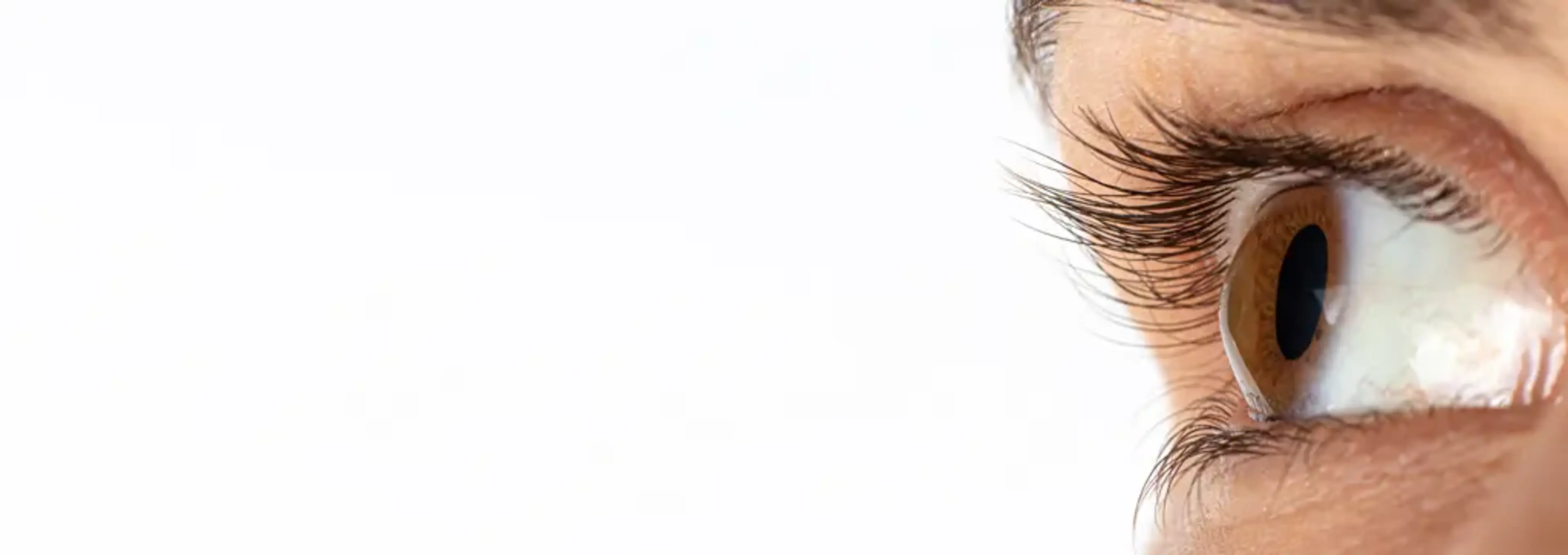
Keratoconus is a condition that can subtly yet profoundly change the way a person experiences the world. For many, it begins as a slight distortion, a small, seemingly insignificant blur in their vision, but it can progress into something far more disruptive. The cornea, which is normally round and smooth, starts to thin and bulge into a cone shape, distorting light entering the eye. As this progression continues, everyday tasks like reading, driving, or even recognizing faces become increasingly difficult. It can feel like trying to see through a foggy window.
But there’s hope. The good news is that with the right treatment, keratoconus doesn’t have to mean a life of visual impairment. Patients with keratoconus have successfully regained clear vision through treatments like corneal cross-linking (CXL), Intacs, and even corneal transplants. At Jryn Eye Clinic, we’ve seen firsthand the difference these treatments can make in patients’ lives. Today, we want to share some of the real stories of patients who have gone through the journey of managing keratoconus and regained the clear vision they thought was lost forever.
Hyun-Soo, a 32-year-old software developer from Busan, had always assumed that any changes in his vision were just a natural part of the aging process or the result of long hours spent staring at a computer screen. It wasn’t until his early twenties that he started noticing more persistent issues with his left eye. He first observed a slight blurriness that he shrugged off, attributing it to fatigue. But as the months went on, the blurriness became worse, and soon he noticed the lines and shapes he saw began to distort. At times, the words on his screen seemed to “wobble” as he tried to read them.
Eventually, Hyun-Soo’s vision began to affect his daily life. He had difficulty seeing street signs clearly while driving, struggled to focus on his computer screen, and even noticed that faces appeared blurry when he was out with friends. Initially, he tried wearing glasses, but the prescription seemed to shift constantly. Frustrated and concerned, he sought professional help, which led him to Jryn Eye Clinic.
After a series of comprehensive tests, Dr. Han Sang Yeop diagnosed Hyun-Soo with keratoconus. His cornea was thinning and had started to bulge, causing the distortion of light and images. Dr. Han explained that keratoconus could cause progressive vision loss, but there were treatments available that could stop the condition from worsening and, in some cases, even restore clarity.
Hyun-Soo was nervous, as he had heard about corneal transplants and didn’t want to go down that road. Instead, after an in-depth discussion with Dr. Han, Hyun-Soo opted for corneal cross-linking (CXL), a non-invasive treatment that uses UV light and riboflavin drops to strengthen the corneal structure and halt the progression of the disease. The procedure was relatively quick, and after a few weeks of healing, Hyun-Soo began to notice significant improvement.
“I could see clearly again,” he says with a relieved smile. “For the first time in years, I felt like I could drive at night without worrying about the halos around lights or read without squinting.”
Jiwon, a 27-year-old high school teacher, had always been active, from playing volleyball to teaching her students with enthusiasm. However, as she entered her mid-20s, she began noticing subtle changes in her vision. At first, she thought the blurriness she was experiencing might be due to the stress of managing her busy life. But as the weeks passed, it became more apparent that the issue wasn’t just a passing fatigue—she was having difficulty reading the board in class and noticing that her students’ faces were becoming harder to recognize.
Her vision continued to deteriorate over the next year, and soon, she couldn’t function without contact lenses. Even with contacts, she was left with distorted vision and eye fatigue. Unsure of what was going on, Jiwon made an appointment with Jryn Eye Clinic. After a thorough examination, Dr. Han diagnosed her with keratoconus.
“I had no idea what keratoconus was at first,” she recalls. “I was shocked when Dr. Han explained that my cornea was thinning and starting to change shape. I just thought I had bad eyesight.”
Dr. Han discussed treatment options, and because Jiwon’s keratoconus wasn’t advanced enough to require a corneal transplant, he recommended Intacs—a surgical procedure in which small, clear rings are implanted into the cornea to flatten its shape and improve vision.
Jiwon opted for the procedure, and the results were transformative. After a brief recovery period, she found that her vision had drastically improved. No more blurry or distorted vision—she could see clearly again, without the reliance on contact lenses or glasses.
“It felt like a weight had been lifted,” Jiwon says, her eyes shining. “I even returned to playing volleyball with my friends, something I had missed for years due to my vision problems.”
Min-Jun, a 50-year-old man from Busan, had been living with keratoconus for over 20 years. For most of his life, he had relied on rigid contact lenses to manage the condition, but by the time he was in his late 40s, his cornea had thinned severely. His contact lenses no longer fit comfortably, and his vision had worsened to the point where he could no longer function without extremely thick glasses.
Min-Jun was no stranger to the limitations of his condition, but the thought of a corneal transplant left him apprehensive. He had heard about the risks and lengthy recovery periods associated with the procedure and wasn’t sure if he was ready to take that step. However, after discussing it with Dr. Han, he decided to go ahead with the transplant in hopes of regaining clear vision.
The corneal transplant was a success. While the recovery process was gradual, Min-Jun was amazed by the results. His vision improved significantly, and for the first time in years, he could see clearly without glasses or contacts. He was able to enjoy his hobbies, read comfortably, and most importantly, he felt like he had his life back.
“I never thought I’d be able to see this well again,” Min-Jun says, visibly emotional. “It was like a new chapter had opened in my life.”
At Jryn Eye Clinic, we understand that each keratoconus patient is unique. We don’t just treat the condition—we work with you to find the most appropriate treatment based on your specific needs. Whether that means corneal cross-linking to stabilize the cornea, Intacs to correct its shape, or, in more severe cases, a corneal transplant, our goal is to restore clear, comfortable vision.
In addition to medical treatment, we take a holistic approach to care, providing our patients with the education, emotional support, and follow-up care they need to navigate their journey. We believe in empowering our patients with the information they need to make informed decisions about their treatment.
If you’re experiencing symptoms of keratoconus, such as distorted vision, difficulty seeing at night, or frequent changes in your glasses or contact lens prescriptions, it’s crucial to seek professional care. Early detection and treatment are key to managing keratoconus effectively and preventing it from worsening. Don’t wait—schedule a consultation at Jryn Eye Clinic to explore your treatment options.
We’ve helped many patients regain clear, stable vision, and we’re here to help you, too. Whether it’s through corneal cross-linking, Intacs, or corneal transplants, there are treatments available that can restore your quality of life.
The stories of Hyun-Soo, Jiwon, and Min-Jun show that keratoconus doesn’t have to be a life sentence of blurred, distorted vision. Thanks to modern medical advancements and personalized treatments, patients with keratoconus are now able to regain the clear vision they thought was lost forever. Whether it’s a simple procedure like corneal cross-linking or a more involved corneal transplant, there are multiple ways to regain your sight and get back to the activities you love.