Home / Articles
Red Eyes After LASIK: When to Worry
Home / Articles
Red Eyes After LASIK: When to Worry
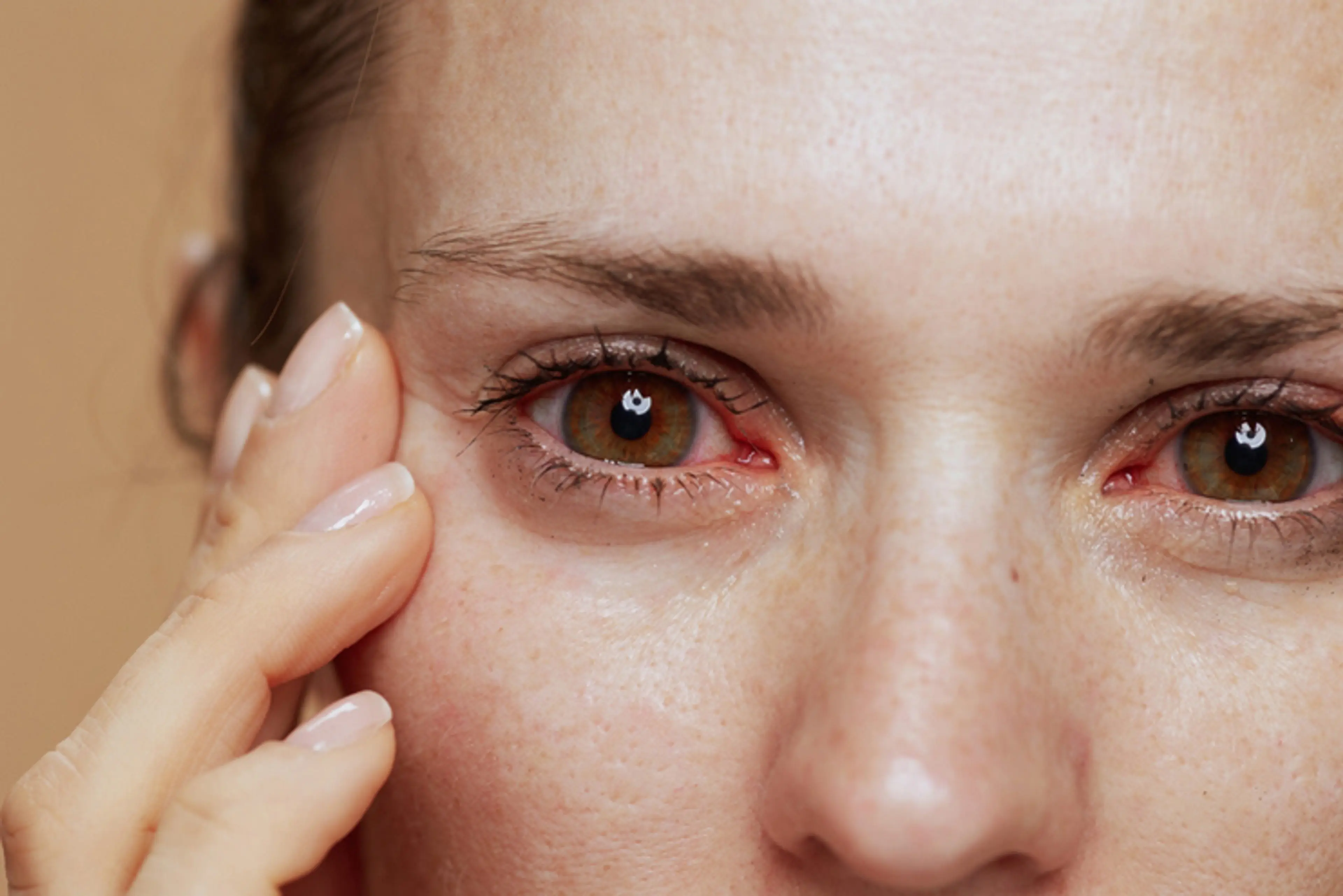
You’ve just had LASIK. The world looks sharper, clearer, and for many patients, it feels like stepping into a new life. But then, as you glance in the mirror that evening or the next morning, you notice something unsettling—your eyes are red. Sometimes it’s just a faint bloodshot look, other times it’s a vivid red patch that almost looks worse than it feels. Understandably, this can stir up anxiety. Is this normal? Did something go wrong during surgery?
At Jryn Eye Clinic in Busanjin-gu, Busan, we hear this question from patients almost every week. The truth is, redness after LASIK is usually nothing more than a normal response to surgery. Still, as doctors, we never take it lightly, because in rare cases, it may signal something more serious. The key lies in understanding what’s expected, what’s not, and when to seek help.
In this article, we’ll explore the reasons behind red eyes after LASIK, how to tell the difference between normal healing and warning signs, and how our team at Jryn Eye Clinic guides patients safely through this phase of recovery.
After LASIK, it’s normal for patients to wonder why their eyes don’t just feel different, but also look different. The redness you see is simply your body’s way of showing that the eyes are healing from a very delicate surgery.
There are several mechanisms behind it:
In short, most redness after LASIK is harmless. It’s your eyes saying: “Give me a little time, and I’ll settle down.”
Not all red eyes are created equal. After LASIK, some redness is perfectly natural, while other cases can be a warning sign. The key is knowing which is which.
At Jryn Eye Clinic, we often tell patients: “Redness that comes alone is usually a guest that leaves quickly. But if it brings friends like pain or blur, it’s time to call us.”
LASIK complications are rare, but as doctors we never dismiss persistent or severe redness. Here are some of the conditions we watch out for:
Infections after LASIK are uncommon, but they can be sight-threatening if untreated. Warning signs include redness plus pain, light sensitivity, discharge, or sudden blurring of vision. This is considered an emergency—patients should see an ophthalmologist immediately.
Also known as “Sands of the Sahara,” DLK is a sterile inflammatory reaction that occurs beneath the LASIK flap. It often appears within the first week after surgery. At first, patients may not notice much beyond mild redness or discomfort, but if untreated, DLK can scar the cornea. Early detection and steroid treatment are highly effective.
Some patients are prescribed steroid drops after LASIK to control inflammation. In rare cases, these drops can raise intraocular pressure. Redness accompanied by a dull ache or cloudy vision may point to this issue.
While temporary dryness is normal, severe or prolonged dryness can keep the eye surface inflamed and red. Left untreated, this can affect comfort and clarity of vision.
For most patients:
If redness lasts beyond four weeks, or if it worsens instead of improving, it’s important to follow up with your surgeon.
While the healing process is natural, there are steps patients can take to keep their eyes comfortable and reduce redness:
To be honest, many patients underestimate the role of simple rest. Giving your eyes time to recover is just as important as any medication.
At Jryn Eye Clinic, we’d rather have a patient come in for a harmless red spot than risk them waiting too long with an infection. In ophthalmology, timing is everything—early treatment almost always leads to better outcomes.
At our clinic in Busan, Dr. Han Sang Yeop and our team emphasize not only surgical precision but also aftercare. We believe that LASIK is more than just achieving 20/20 vision—it’s about ensuring safe, confident healing.
We use advanced diagnostic tools to check for subtle signs of inflammation or dryness. Patients often tell us they feel reassured knowing we track their recovery closely, not just in the first week, but in the months after surgery. Our philosophy is simple: every eye heals differently, so every patient deserves personalized care.
In Korea, where regular health check-ups are part of daily life, eye care shouldn’t be any different. We encourage patients to treat post-LASIK care as an essential step, not an afterthought.
Red eyes after LASIK are a common and usually harmless part of recovery. For most patients, it’s a temporary phase that fades within days or weeks. But when redness comes with pain, vision changes, or doesn’t improve, it can signal a complication that needs prompt care.
At Jryn Eye Clinic, we remind our patients that there’s no such thing as a “small concern” when it comes to vision. If you’ve had LASIK and are unsure about your healing, don’t leave it to chance—schedule a check-up, whether with your original surgeon or at a trusted clinic.
Clear vision is one of life’s greatest gifts. Protecting it means knowing when to rest easy, and when to seek help. And if you’re in Busan, our team is here to guide you through every stage of your vision journey, with expertise, technology, and care you can trust.