Home / Articles
Retinal Detachment Symptoms, Causes, and Treatment Options
Home / Articles
Retinal Detachment Symptoms, Causes, and Treatment Options
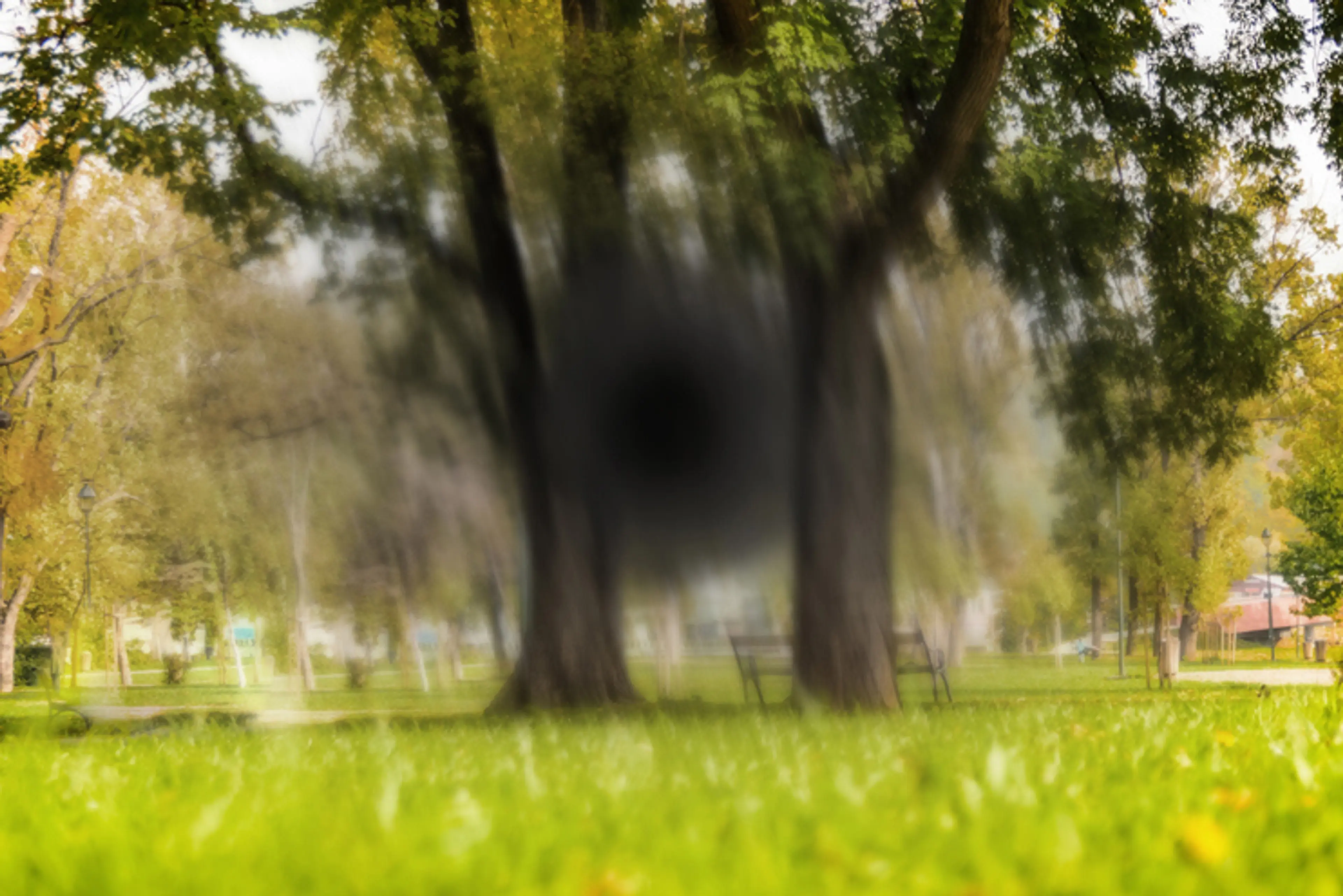
Retinal detachment occurs when the retina, a vital tissue at the back of your eye, pulls away from the layer beneath it. This separation disrupts its ability to transmit visual information to the brain, leading to vision problems and, if not treated promptly, permanent sight loss.
Because the retina is responsible for capturing light and turning it into signals for the brain, any detachment can result in severe vision impairment. Retinal detachment is an urgent medical emergency, with early diagnosis and treatment crucial for preserving vision.
Factors such as aging, eye injuries, and conditions like severe nearsightedness can increase the risk of retinal detachment. In this article, we'll explore the symptoms, causes, and modern treatment options for retinal detachment, giving you the knowledge to protect your vision.
To understand why retinal detachment is so damaging, it's essential to grasp the retina's role. This thin layer of tissue in the back of your eye functions similarly to a camera sensor—it captures light and converts it into electrical signals. These signals travel along the optic nerve to the brain, which interprets them as visual images.
When the retina detaches, it loses access to the oxygen and nutrients it needs from underlying tissues. Without this support, the retinal cells can quickly begin to deteriorate, leading to permanent loss of vision if left untreated. Understanding the complexity of the retina helps emphasize the urgency of treating any detachment as soon as possible.
Several factors can cause retinal detachment, often linked to changes in the eye's structure or trauma. The most common cause is a tear or hole in the retina, which allows fluid from the vitreous (the gel-like substance filling the eye) to seep behind it, causing it to separate from the supportive tissue.
While vitreous detachment is a natural part of aging, it can sometimes lead to retinal tears that cause detachment. Understanding these risk factors allows both patients and doctors to take preventive measures.
If you experience any of these symptoms, contact an eye specialist immediately. Early intervention can often prevent permanent vision loss.
It can be difficult to distinguish retinal detachment from other eye problems, but certain symptoms—especially if they progress rapidly—should prompt an urgent eye exam.
During an exam, an ophthalmologist will use specialized tools such as:
Once diagnosed, prompt treatment is essential to reattach the retina and prevent permanent vision loss. Treatment options vary depending on the severity and location of the detachment.
Each procedure is tailored to the patient's specific condition, and your ophthalmologist will discuss the most appropriate option based on the extent of the detachment.
Technological advancements in the treatment of retinal detachment have significantly improved outcomes. Ultra-high-resolution imaging technologies, like OCT, allow doctors to detect even the smallest retinal tears before detachment occurs, ensuring earlier treatment and better outcomes.
By choosing a reputable clinic, you maximize your chances of successful treatment and recovery.
Retinal detachment is a serious condition that requires immediate medical attention. Early detection of symptoms such as floaters, flashes of light, or a shadow over your vision can prevent permanent vision loss. Thanks to advancements in technology and surgical techniques, most patients can regain good vision with prompt treatment.
If you notice any of these warning signs, don’t hesitate to consult an eye specialist. The sooner you seek help, the better your chances of preserving your vision.