Home / Articles
Seomyeon LASIK vs. LASEK: Which Is Safer for You?
Home / Articles
Seomyeon LASIK vs. LASEK: Which Is Safer for You?
If you're considering LASIK or LASEK for vision correction in Seomyeon, you're not alone. These two laser eye surgeries have helped millions of people worldwide achieve clearer vision, but choosing between them can feel overwhelming. Both procedures offer remarkable results, yet they differ in techniques, recovery times, and suitability for certain eye conditions. So, which one is safer for you?
In this article, we’ll break down the differences between LASIK and LASEK, helping you understand which procedure might be the best fit for your unique needs. Whether you're dealing with nearsightedness, farsightedness, or astigmatism, knowing the nuances of each treatment can empower you to make the most informed decision about your eye health.
At Jryn Eye Clinic in Busan, we specialize in LASIK, offering state-of-the-art technology to ensure the best possible outcomes for our patients. But how does this procedure actually work? Let’s break it down step by step.
Before the procedure begins, the patient is given numbing eye drops to ensure that there is no discomfort during the surgery. This local anesthesia numbs the surface of the eye, so you remain relaxed and pain-free throughout the entire process. You’ll be awake, but the procedure is quick, often taking only 15 to 20 minutes for both eyes.
The first crucial step in LASIK is creating a thin, circular flap on the surface of your cornea, the clear, dome-shaped structure at the front of the eye. This is done using either a microkeratome (a precise surgical instrument) or, more commonly today, a femtosecond laser.
This flap is gently lifted to expose the underlying corneal tissue. Importantly, the corneal flap is not removed—it remains attached to the eye like a hinge, allowing it to be repositioned after the reshaping process.
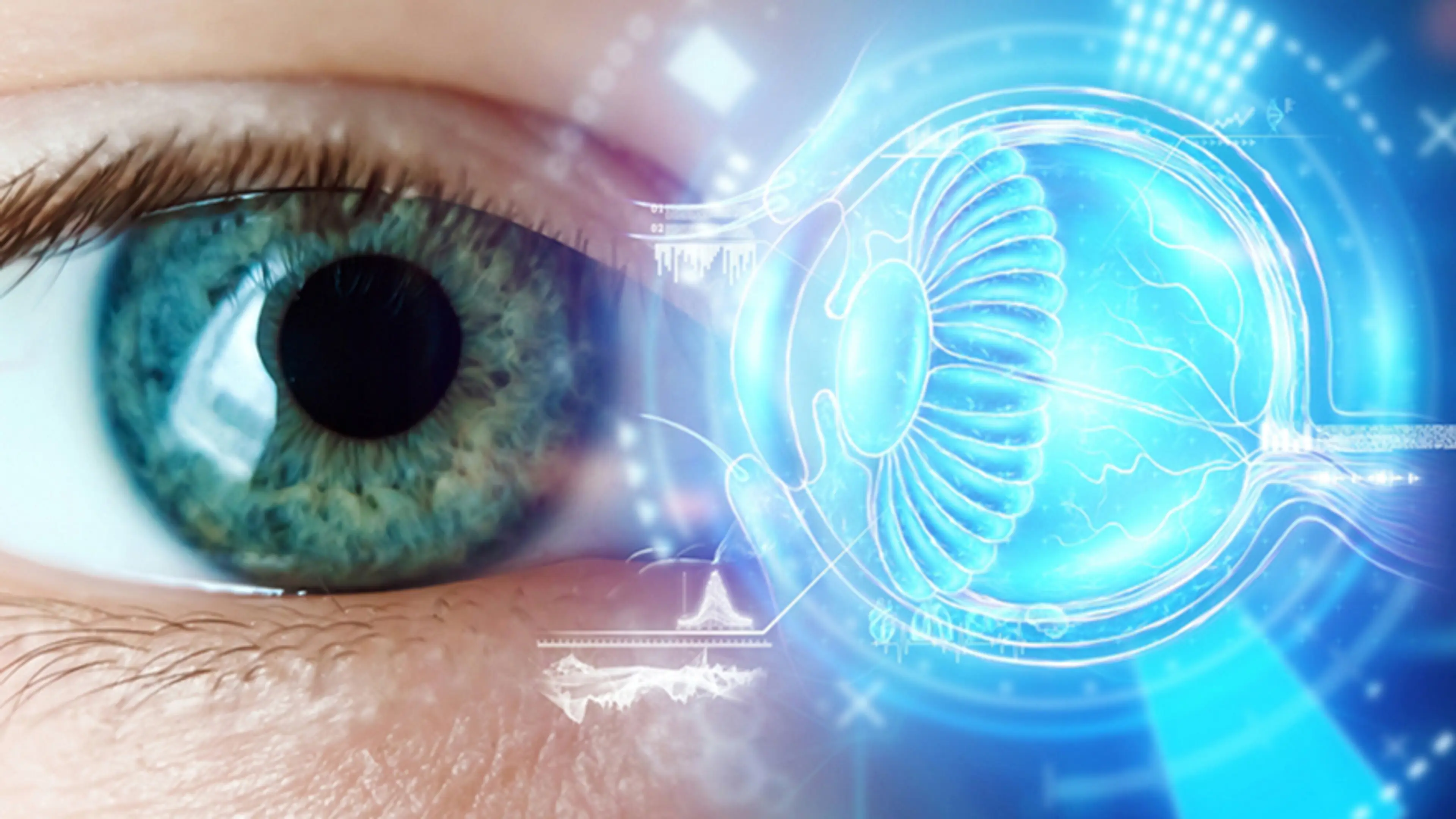
Once the flap is lifted, a second laser is used to reshape the cornea itself. This laser is an excimer laser, which emits ultraviolet light to precisely remove tiny amounts of tissue from the cornea. By reshaping the cornea, the laser adjusts the way light enters the eye and is focused on the retina at the back of the eye, which is responsible for sending visual information to the brain.
The laser works with pinpoint precision, and the surgeon has complete control over the amount of tissue removed, ensuring that the final shape of the cornea is just right for your specific prescription.
LASEK tends to have a longer recovery period compared to LASIK. It’s normal for patients to experience more discomfort and require a longer healing time as the epithelial layer regenerates. However, in the hands of an experienced surgeon like Dr. Han Sang Yeop at Jryn Eye Clinic, LASEK can offer a highly effective solution.
Both LASIK and LASEK are considered safe when performed by a qualified ophthalmologist using the latest technology. However, their safety profiles differ slightly, primarily due to the techniques involved and the potential for complications during healing.
The choice between LASIK and LASEK largely depends on the health and structure of your eyes, as well as your lifestyle.
Patients with normal corneal thickness
Those who need a quicker recovery time
Individuals without significant dry eye issues
People with thin corneas or irregular corneal shapes
Patients who have a higher risk of complications from a flap-based surgery
Those willing to tolerate a longer recovery period for potentially fewer long-term complications
In any case, choosing the right procedure should always be done in consultation with an experienced ophthalmologist who can assess your unique eye condition and discuss the most appropriate treatment options.
At Jryn Eye Clinic, located conveniently in Seomyeon, Busan, we specialize in personalized eye care, and Dr. Han Sang Yeop, with over two decades of experience, is dedicated to helping you choose the best vision correction solution. Whether it’s LASIK or LASEK, our advanced technology and compassionate care ensure the best possible outcome for your eyes. We use state-of-the-art equipment to perform thorough diagnostic evaluations and determine the most suitable treatment based on your specific needs.
If you’ve been considering LASIK or LASEK and are unsure which is the best option for you, don’t hesitate to book a consultation. We’ll guide you through every step of the process, ensuring you feel confident in your decision and receive the highest level of care.
Ultimately, both LASIK and LASEK are safe and effective options for vision correction, but the best choice depends on your individual eye health and lifestyle. LASIK offers a faster recovery and minimal discomfort, making it an excellent choice for many patients. However, if you have a thin cornea or other specific concerns, LASEK might be a safer and more suitable option.
At Jryn Eye Clinic, we take the time to assess your unique eye condition and ensure that you receive the right procedure for your needs. With over 20 years of experience, Dr. Han Sang Yeop and our team are here to guide you every step of the way toward clearer, more comfortable vision.