Home / Articles
Why More Patients Want Laser-Assisted Cataracts
Home / Articles
Why More Patients Want Laser-Assisted Cataracts
Imagine picking up your favorite book again and the words seem hazy, like someone turned the lights down low. That’s a common way patients describe what cataracts feel like—colors aren’t sharp, glare at night becomes blinding, everyday life gets slower and more frustrating. You’re not alone if you’ve been thinking about cataract surgery. But increasingly, people aren’t just opting for traditional cataract removal—they’re asking for laser-assisted cataract surgery.
This shift isn’t hype. It reflects a deeper change in expectations, technology, and how we approach vision care in 2025. As someone deeply embedded in clinical practice and personalized eye care, I want to walk you through why laser-assisted cataract surgery is no longer just an alternative—it’s becoming a preferred choice for many patients.
Before we discuss why it’s increasingly popular, let’s clarify what it is in real terms.
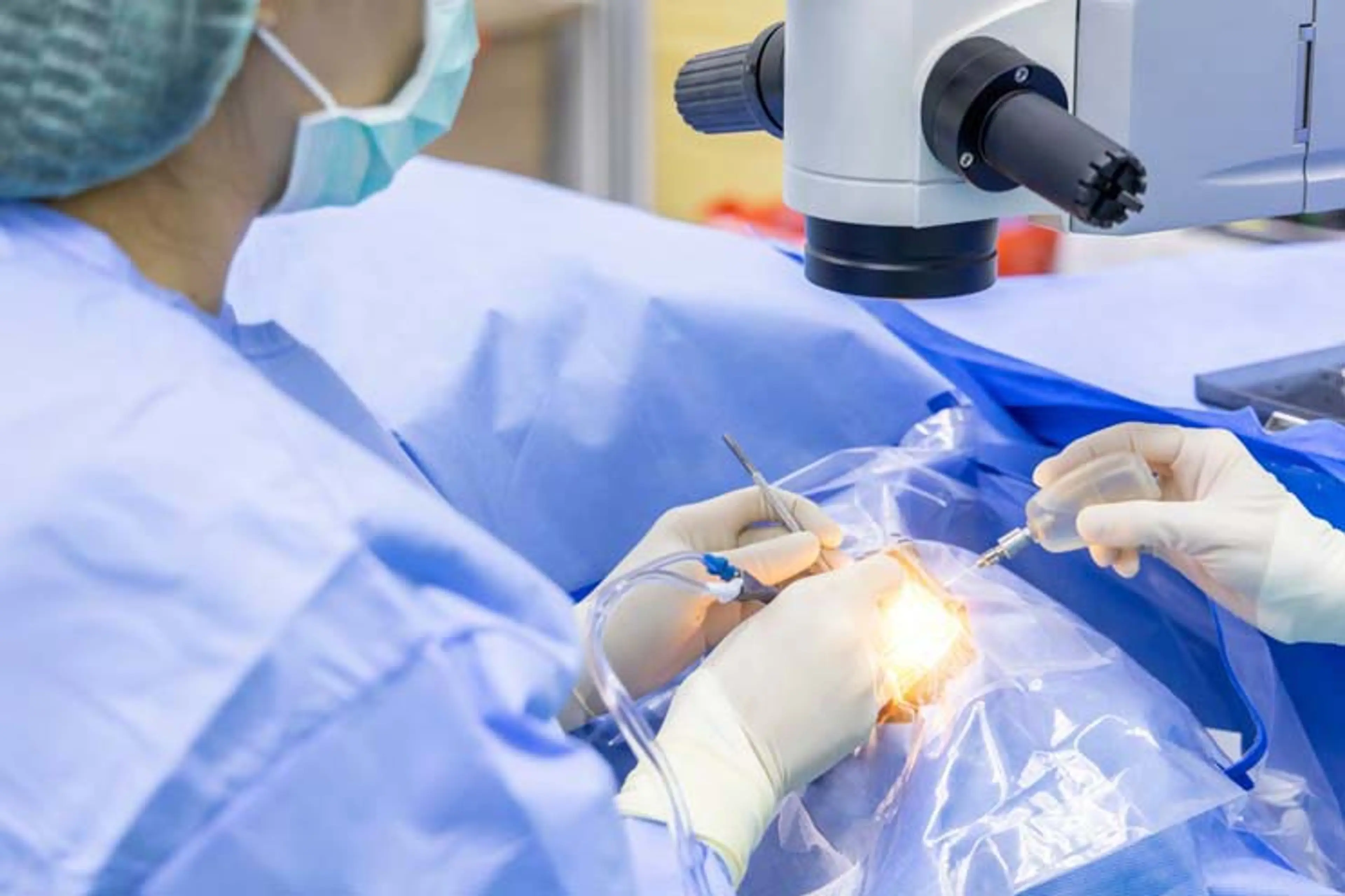
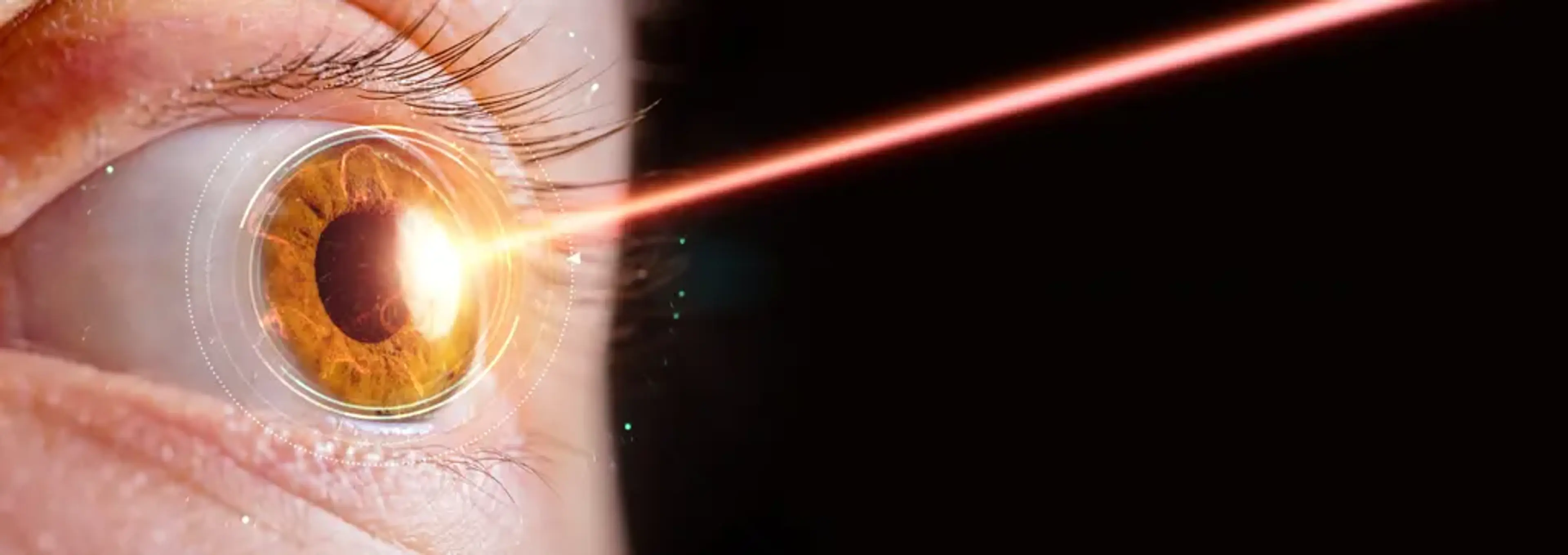
Traditional cataract surgery has been remarkably successful for decades: an ophthalmologist uses handheld instruments to break up and remove the cloudy lens, then replaces it with an artificial one. Laser-assisted surgery uses a femtosecond laser—a near-infrared beam that operates in trillionths of a second—to perform parts of the procedure with micrometer precision.
That means instead of relying solely on manual tools, we use the laser to:
Create the initial incisions in the cornea
Open the lens capsule (capsulotomy)
Fragment the cataract so it’s easier to remove
It’s not about replacing the surgeon’s skill; it’s about enhancing accuracy and repeatability.
The use of lasers also minimizes some of the mechanical stress placed on the eye. This can be particularly beneficial for patients with denser cataracts, where ultrasound energy (used in traditional phacoemulsification) would otherwise be high. By softening the cataract with laser first, the surgery becomes smoother and may reduce postoperative inflammation.
One of the most striking shifts I’ve seen in practice is patient expectations. Twenty years ago, cataract surgery was mainly about regaining functional vision—just seeing well enough to get by. Today’s patients want more than functional. They want vision that’s:
Crisp at multiple distances
Sharp in low-light conditions
Less dependent on glasses afterward
People are living longer, working later in life, and using screens well into their evenings. They want vision that supports a modern lifestyle, not just basic sight. That’s one big reason more patients are asking for laser assistance: it’s associated with potential improvements in precision that support these elevated goals.
Additionally, as cataract patients become more informed through online resources and patient forums, they’re asking more questions. They come into the clinic already knowing about premium IOLs, astigmatism correction, and even femtosecond lasers. This awareness shapes expectations and places precision front and center.
To understand what makes laser-assisted surgery appealing, it helps to look at where precision counts.
One of the biggest drivers behind this trend is how laser technology improves refractive predictability—meaning, the lens power outcome is closer to what we plan. Cataract surgery is partially a refractive procedure, especially when patients choose premium lenses (like multifocal or toric IOLs). The laser helps create:
Exact fragmentation patterns tailored to each cataract’s density
Corneal incisions placed at precise angles to correct astigmatism
These aren’t small details—they influence how sharply and comfortably you see after surgery.
This goes beyond convenience; it supports better optical outcomes and helps the surgeon adjust for anatomical challenges in real-time.
Another powerful factor in patients’ preferences is perceived safety. In our clinic, many older adults initially fear cataract surgery as a “big procedure.” But when we explain how the laser reduces reliance on manual steps and increases consistency, they feel more confident.
Here’s why confidence matters:
Laser systems reduce variability between surgeons
Small variations in incision size or placement can affect outcomes
Many patients associate laser technology with precision and advanced care
This is especially true for patients who have had previous eye surgeries, such as LASIK or RK, where the eye’s anatomy has been altered. Laser-assisted planning and execution provide a clearer roadmap in these more complex scenarios.
One of the most common questions I hear is: “Can I get rid of my glasses after surgery?”
The answer depends partly on astigmatism. If your cornea isn’t perfectly round, light doesn’t focus evenly, and that contributes to blur. Traditional surgery can correct astigmatism manually, but the laser allows us to make limbal relaxing incisions or integrate toric IOL planning with higher precision.
For many patients with moderate astigmatism, this means:
Reduced dependence on glasses
Better uncorrected vision at distance
More comfortable transitional focus
This advantage has real impact on everyday life—especially for driving at night, reading street signs, or watching TV without glasses.
Let me share something that doesn’t always show up in clinical papers but matters in real life.
Here are common things patients tell us after laser-assisted cataract surgery:
“Colors look richer than I remember.”
“I didn’t expect night driving to improve so much.”
“Reading feels easier without constantly reaching for glasses.”
These aren’t just feel-good statements. They reflect how better optical alignment and refractive outcomes translate into real experience.
What people often overlook is that vision isn’t just mechanical—it’s cognitive. Your brain adapts to the quality of input it receives. When that input improves, your experience of the world becomes more vibrant, less tiring, more confident. We often see patients smile not just because they can see, but because they feel more engaged with their daily life.
This is where honest medicine matters. Not all patients need laser-assisted cataract surgery. If you have:
Minimal astigmatism
Standard visual goals
Budget constraints
Traditional surgery may still provide excellent results. The laser isn’t about fixing the concept of cataract surgery; it’s about expanding what’s possible.
We make choices together by considering:
Your lifestyle needs
Corneal shape and optics
Lens type preferences
Night-vision demands
Desire for glasses independence
For someone who loves outdoor sports, drives frequently at night, or wants minimal reliance on glasses, laser-assisted precision often becomes a clear choice.
That said, cost remains a factor. In Korea, not all aspects of laser cataract surgery are covered by national health insurance, especially when it involves premium lenses. But many patients consider it an investment—not just in vision, but in quality of life.
Some patients are nervous before surgery. Laser technology actually helps ease that anxiety.
The laser part typically takes just a few minutes. We’re not replacing the surgeon’s role—just enhancing it with controlled, reproducible steps.
Post-surgery, we closely monitor healing. Most patients notice improvement in vision within 24 to 48 hours, with optimal clarity unfolding over several weeks. Compared to traditional methods, some experience a smoother recovery with fewer fluctuations in early vision.
Across many clinics—especially in places like South Korea, where patients are highly engaged in modern health care—we see three trends:
When patients come in with questions like “Can I play golf without glasses?” or “Can I read my phone indoors at night?” they’re thinking beyond basic vision. That’s a cultural shift toward functional excellence.
Laser-assisted cataract surgery fits that shift by giving surgeons tools that align with modern expectations. As our population continues to age, but remains active, the demand for this kind of care will only increase.
Choosing cataract surgery isn’t just a medical decision—it’s a personal one. It touches how you read, drive, work, and enjoy life. Laser-assisted cataract surgery doesn’t promise perfect vision, but it raises the bar for what’s achievable, safely and predictably.
At Jryn Eye Clinic in Busan, we’ve seen firsthand how the precision of laser-assisted techniques can transform outcomes, especially when matched with modern diagnostics and premium lenses. We don’t push the most expensive option—we help you understand what fits your eyes, lifestyle, and goals.
If you’ve been wondering whether laser-assisted cataract surgery is the right path for you, consider talking with a specialist who uses advanced diagnostics and tailors treatment to your visual priorities. Vision is personal—your care should be, too.